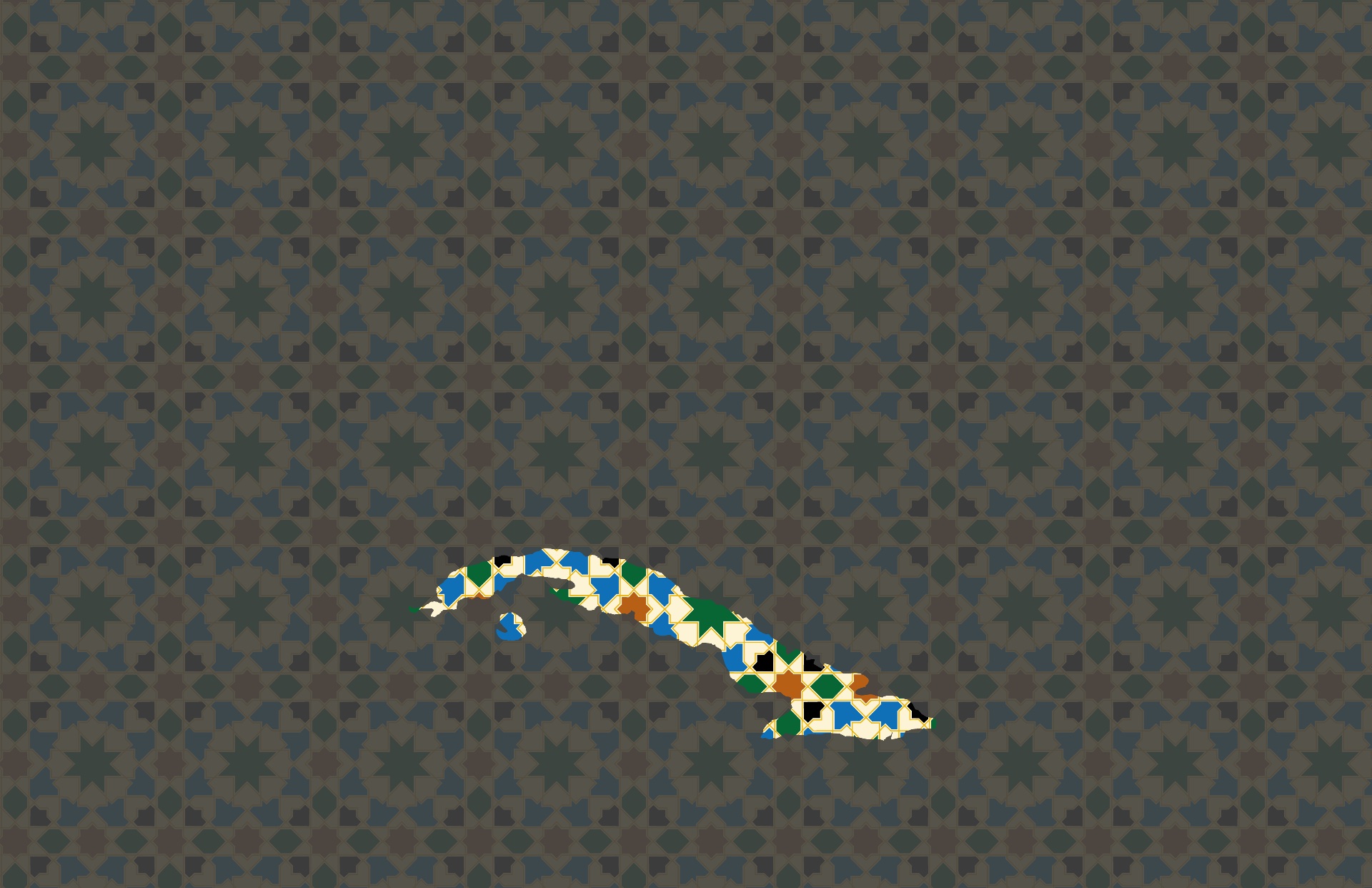
“[The Arabs]... those agile and charming people that form the noblest and most elegant people on earth.”
«[Los árabes]... esa gente ágil y encantadora que forma el pueblo más noble y elegante de la tierra.»
«[العرب]... أولئك القوم الرشيقون الفاتنون الذين يشكّلون أنبل شعوب الأرض وأكثرها أناقة.»
—José Martí
The Arab community in Cuba was first formed in the late 19th century and was consolidated in the 1920s and 1930s of the following century. However, the influence of Arab culture on Cuba is not limited to migration in recent centuries. The Arab influence was preceded by other historical contributions that gave their presence an interesting range of colors.
La comunidad árabe de Cuba se formó a fines del siglo XIX y se consolidó en las décadas de 1920 y 1930 del siglo siguiente. Sin embargo, la influencia de la cultura árabe en Cuba no se limita a la migración de los últimos siglos. La influencia árabe estuvo precedida por otros aportes históricos que dieron a su presencia una interesante gama de matices.
تشكّلت الجالية العربية في كوبا لأول مرة في أواخر القرن التاسع عشر، وتوطّدت في عشرينيات وثلاثينيات القرن التالي. غير أن تأثير الثقافة العربية في كوبا لا يقتصر على الهجرة في القرون الأخيرة، فقد سبقته إسهامات تاريخية أخرى أضفت على حضورها طيفًا مثيرًا من الألوان.
Arabic culture first came to Cuba through Spanish colonization – in architecture that still bears the mark of the Moors, and in language that is full of words of Arabic origin that are used in daily life. The contributions that came from Spanish cultural heritage and influence in Cuba in the first centuries of conquest are what will be referred to as the indirect trace of Arab culture, the first chapter of this visualization. It will then be followed by the origin, integration, and assimilation of the Arab community in Cuba.
La cultura árabe llegó por primera vez a Cuba a través de la colonización española: en una arquitectura que aún lleva la huella de los moros y en una lengua llena de palabras de origen árabe que se usan en la vida diaria. Los aportes provenientes de la herencia y la influencia cultural española en Cuba durante los primeros siglos de la conquista son lo que llamaremos la huella indirecta de la cultura árabe, primer capítulo de esta visualización. Le seguirán el origen, la integración y la asimilación de la comunidad árabe en Cuba.
وصلت الثقافة العربية إلى كوبا لأول مرة عبر الاستعمار الإسباني: في عمارةٍ ما زالت تحمل بصمة الموريسكيين، وفي لغةٍ تزخر بكلمات من أصل عربي تُستخدم في الحياة اليومية. الإسهامات التي جاءت من الإرث والتأثير الثقافي الإسباني في كوبا خلال القرون الأولى من الغزو هي ما سنشير إليه بالأثر غير المباشر للثقافة العربية، وهو الفصل الأول من هذا التصوّر البصري، تليه أصول الجالية العربية في كوبا واندماجها وذوبانها.

Chapter OneCapítulo unoالفصل الأول
From Spain to CubaDe España a Cubaمن إسبانيا إلى كوبا
Cubans are accustomed to the identifying Arabic influence, whether it is in their cities’ buildings or by the Spanish words of Arabic origin such as “almohada,” meaning pillow, or “ojalá,” meaning hopefully.
Los cubanos están acostumbrados a identificar la influencia árabe, ya sea en los edificios de sus ciudades o en palabras españolas de origen árabe como «almohada» u «ojalá».
اعتاد الكوبيون على تمييز التأثير العربي، سواء في مباني مدنهم أو في الكلمات الإسبانية ذات الأصل العربي مثل «almohada» (الوسادة) أو «ojalá» (إن شاء الله).
However, none of these traces come from migration which brought thousands of individuals from Greater Syria in the late nineteenth and early twentieth centuries.
Sin embargo, ninguna de estas huellas proviene de la migración que trajo a miles de personas desde la Gran Siria a fines del siglo XIX y principios del XX.
غير أن أيًا من هذه الآثار لا يعود إلى الهجرة التي جلبت آلاف الأفراد من سوريا الكبرى في أواخر القرن التاسع عشر وأوائل القرن العشرين.
The first stage of Arab cultural presence in Cuba begins with the arrival of Christopher Columbus and the Spanish Empire in 1492 and extends for centuries, leaving tangible traces in architecture and language.
La primera etapa de la presencia cultural árabe en Cuba comienza con la llegada de Cristóbal Colón y el Imperio español en 1492 y se extiende por siglos, dejando huellas tangibles en la arquitectura y la lengua.
تبدأ المرحلة الأولى من الحضور الثقافي العربي في كوبا بوصول كريستوفر كولومبوس والإمبراطورية الإسبانية عام 1492، وتمتد قرونًا تاركة آثارًا ملموسة في العمارة واللغة.
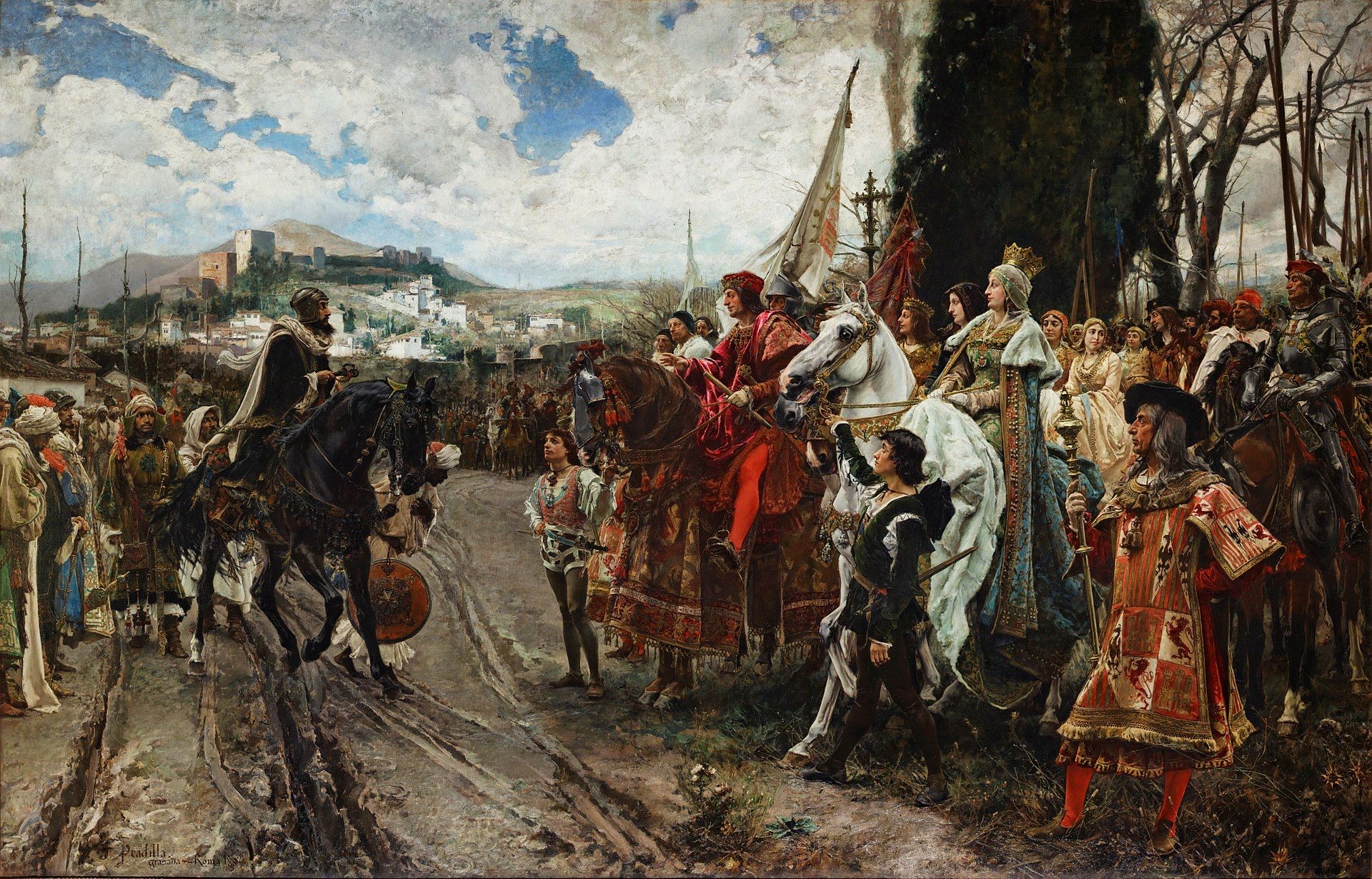
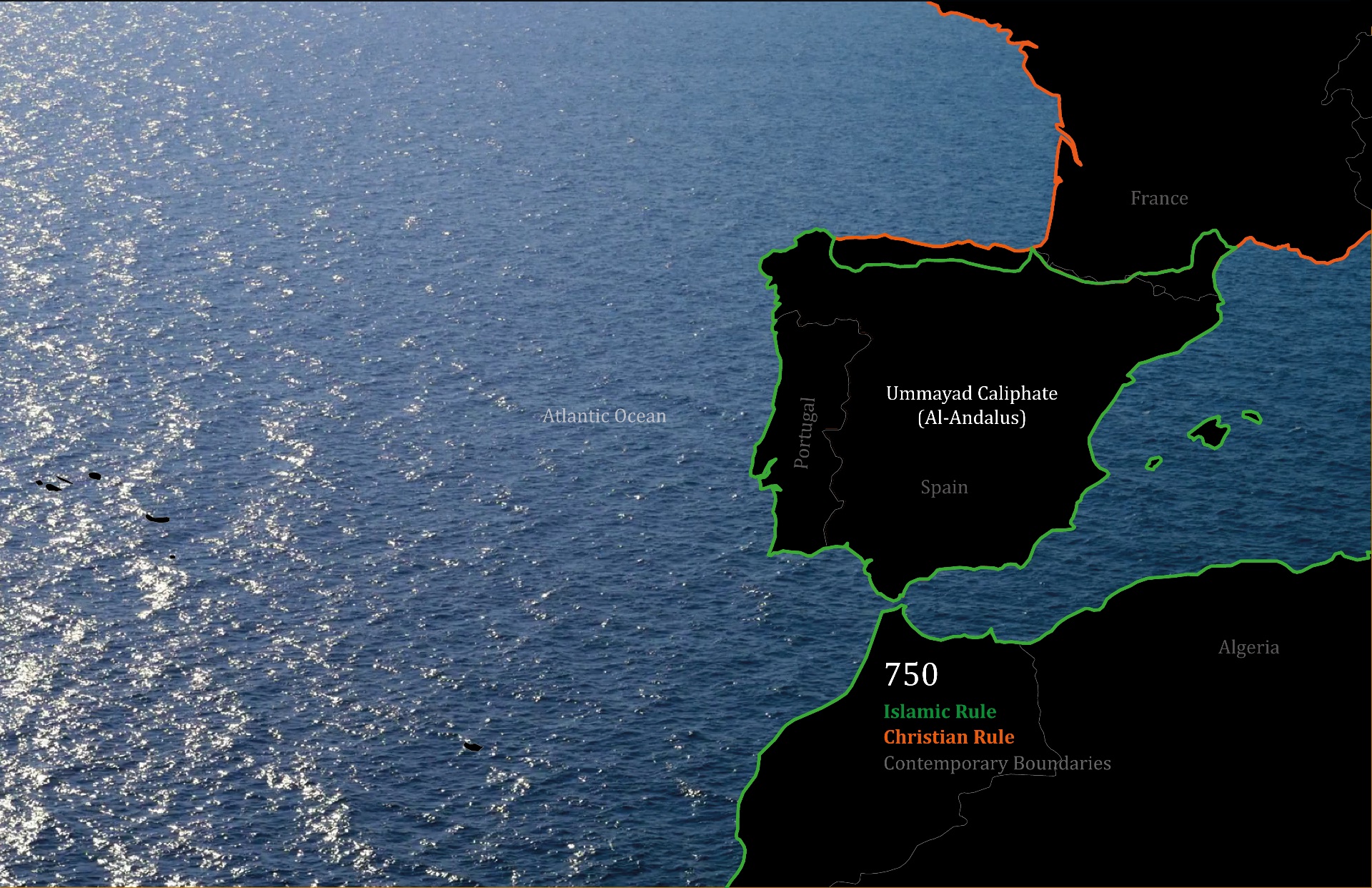
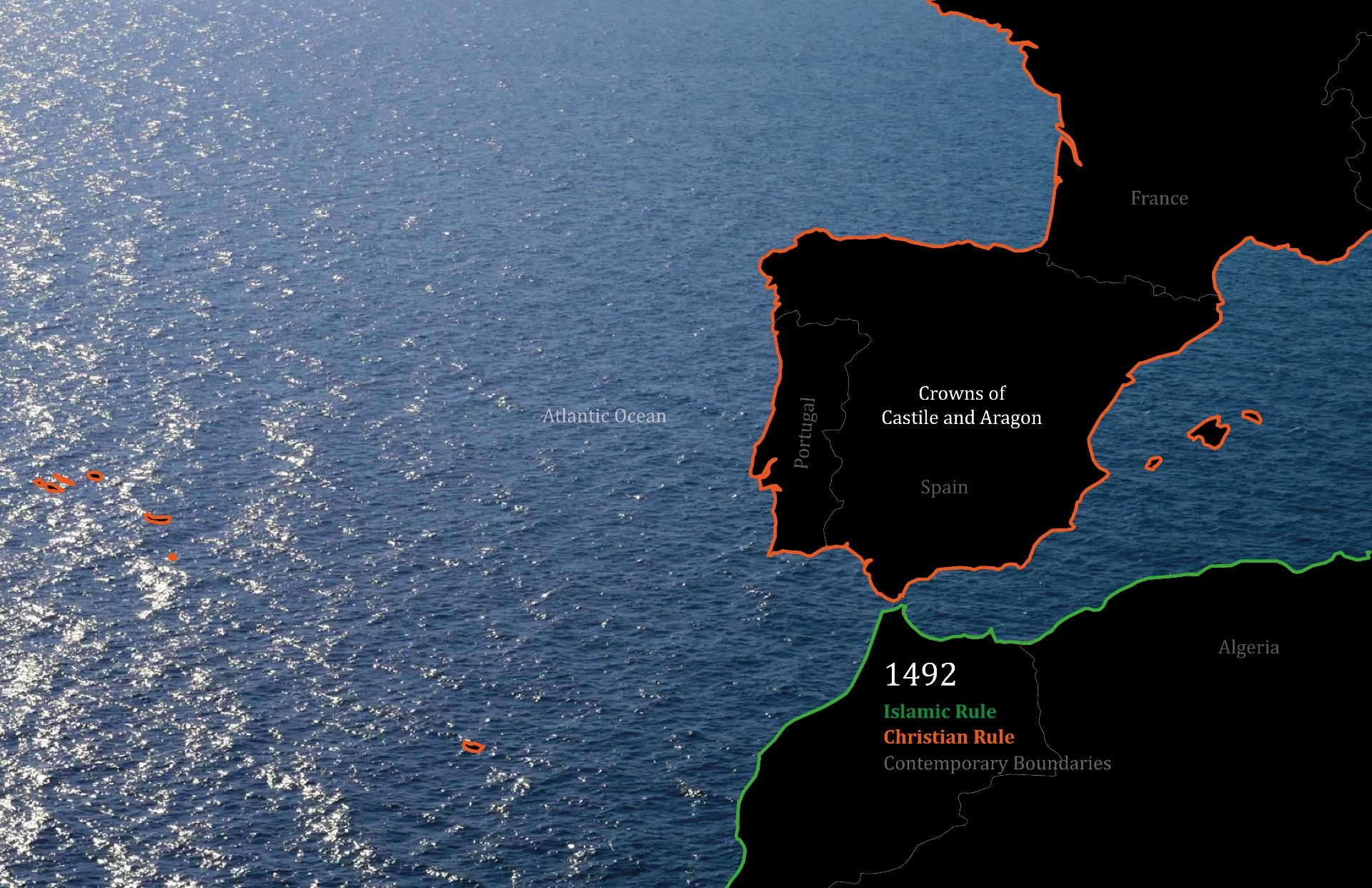
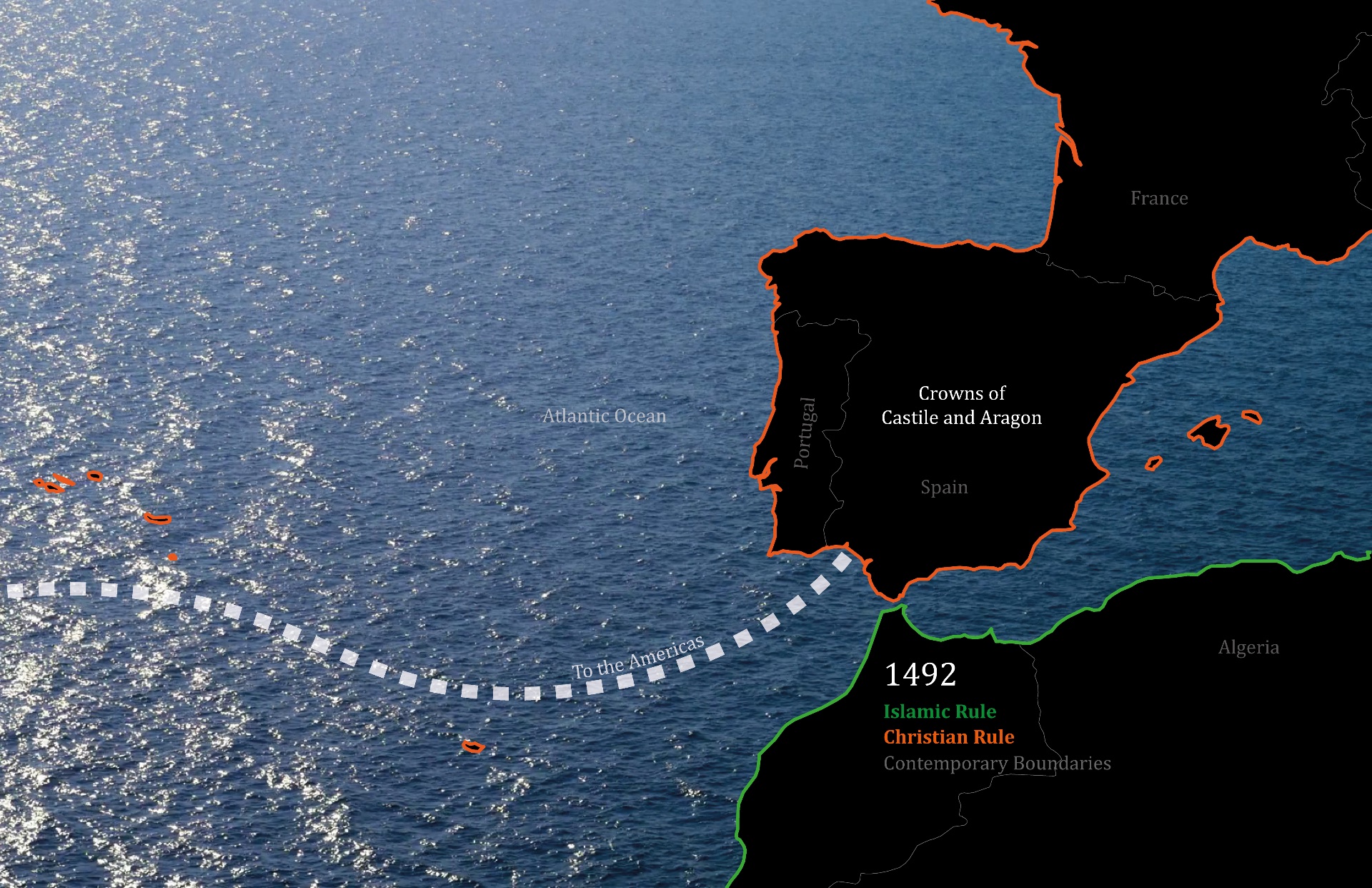
Arabic entities ruled or had a presence in the Iberian Peninsula for nearly 800 years until their final expulsion in 1492 at the hands of the Christian kingdoms of Castile and Aragon.
Entidades árabes gobernaron o tuvieron presencia en la península ibérica durante casi 800 años, hasta su expulsión definitiva en 1492 a manos de los reinos cristianos de Castilla y Aragón.
حكمت كياناتٌ عربية شبه الجزيرة الإيبيرية أو كان لها حضور فيها قرابة 800 عام، حتى طردها النهائي عام 1492 على يد مملكتي قشتالة وأراغون المسيحيتين.
The Crowns of Castile and Aragon, among other entities, joined together to create the Spanish Empire.
Las coronas de Castilla y Aragón, junto con otras entidades, se unieron para crear el Imperio español.
اتحد تاجا قشتالة وأراغون، مع كيانات أخرى، لتأسيس الإمبراطورية الإسبانية.
That same year, Christopher Columbus traveled to the Americas and claimed his discoveries, including Cuba, for the Spanish Empire.
Ese mismo año, Cristóbal Colón viajó a América y reclamó sus descubrimientos, incluida Cuba, para el Imperio español.
في العام نفسه أبحر كريستوفر كولومبوس إلى الأمريكتين وأعلن ضم اكتشافاته، ومنها كوبا، إلى الإمبراطورية الإسبانية.
ArchitectureArquitecturaالعمارة
A visible legacy of the Arab influence on Cuba are the buildings constructed mostly in the 17th century, in which the forms and techniques of the so-called “Mudéjar” dominated the architectural landscape at the time.
Un legado visible de la influencia árabe en Cuba son los edificios construidos mayormente en el siglo XVII, en los que las formas y técnicas del llamado «mudéjar» dominaban el paisaje arquitectónico de la época.
من الإرث المرئي للتأثير العربي في كوبا المباني التي شُيّد معظمها في القرن السابع عشر، حين هيمنت أشكال وتقنيات ما يُعرف بالطراز «المدجّن» على المشهد المعماري آنذاك.
This Arabic-influenced style, meaning "tamed" or "domesticated," was practiced by builders and craftsmen in Spain and applied to many elements of Islamic arts, sometimes combined with Christian elements.
Este estilo de influencia árabe, cuyo nombre significa «domado» o «domesticado», fue practicado por constructores y artesanos en España y aplicado a muchos elementos de las artes islámicas, a veces combinados con elementos cristianos.
هذا الطراز المتأثر بالعربية، ومعنى اسمه «المروَّض» أو «المستأنَس»، مارسه البنّاؤون والحرفيون في إسبانيا وطبّقوه على عناصر كثيرة من الفنون الإسلامية، ممزوجة أحيانًا بعناصر مسيحية.
In the Cuban case, the use of this style was not an intentional attempt to take Arabic building as a model, but was rather the popular architecture in which the Spanish builders and craftsmen immigrating to the island had been trained in.
En el caso cubano, el uso de este estilo no fue un intento deliberado de tomar la construcción árabe como modelo, sino la arquitectura popular en la que se habían formado los constructores y artesanos españoles que emigraban a la isla.
وفي الحالة الكوبية لم يكن استخدام هذا الطراز محاولة مقصودة لاتخاذ البناء العربي نموذجًا، بل كان العمارة الشعبية التي تدرّب عليها البنّاؤون والحرفيون الإسبان المهاجرون إلى الجزيرة.
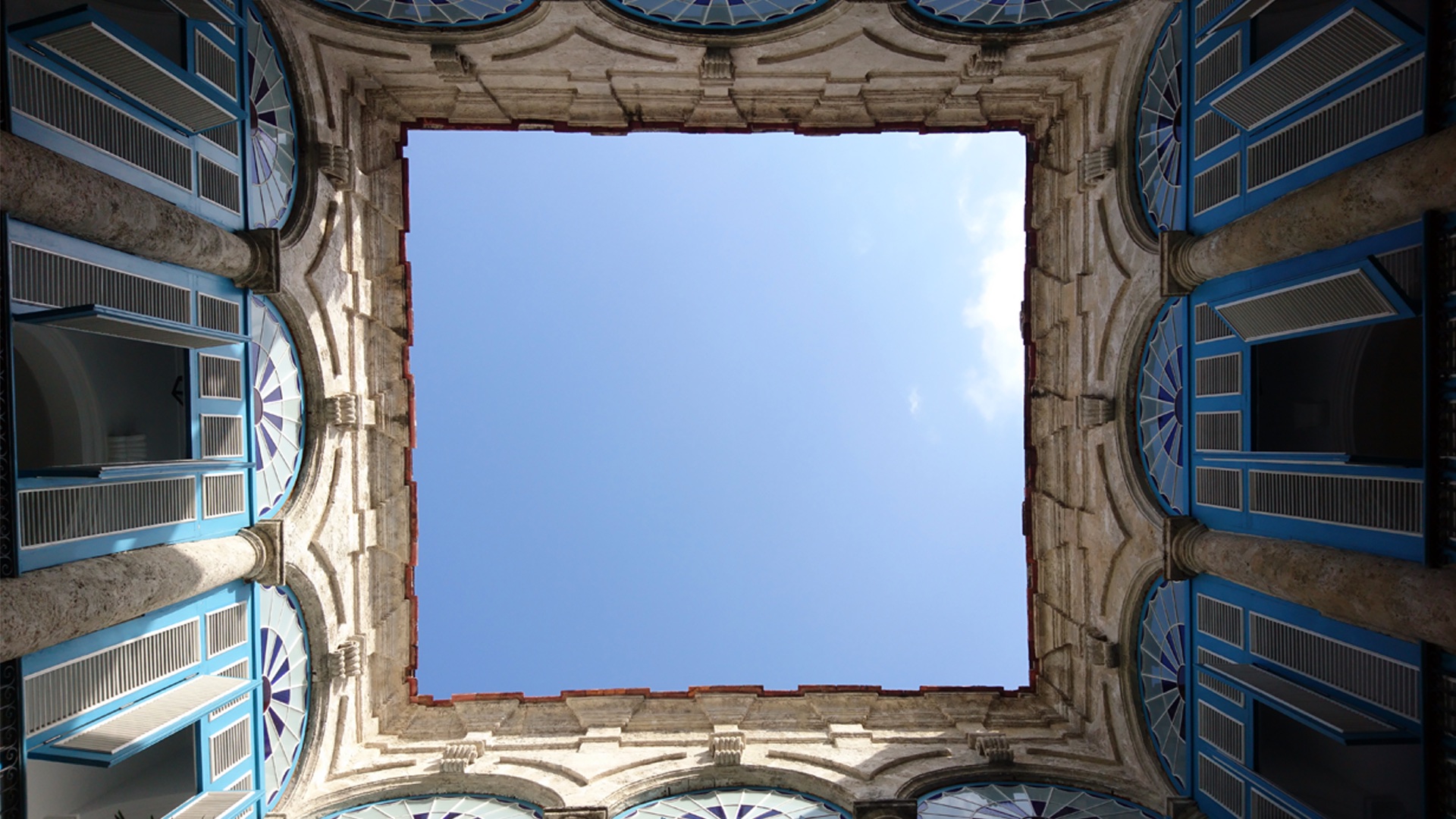
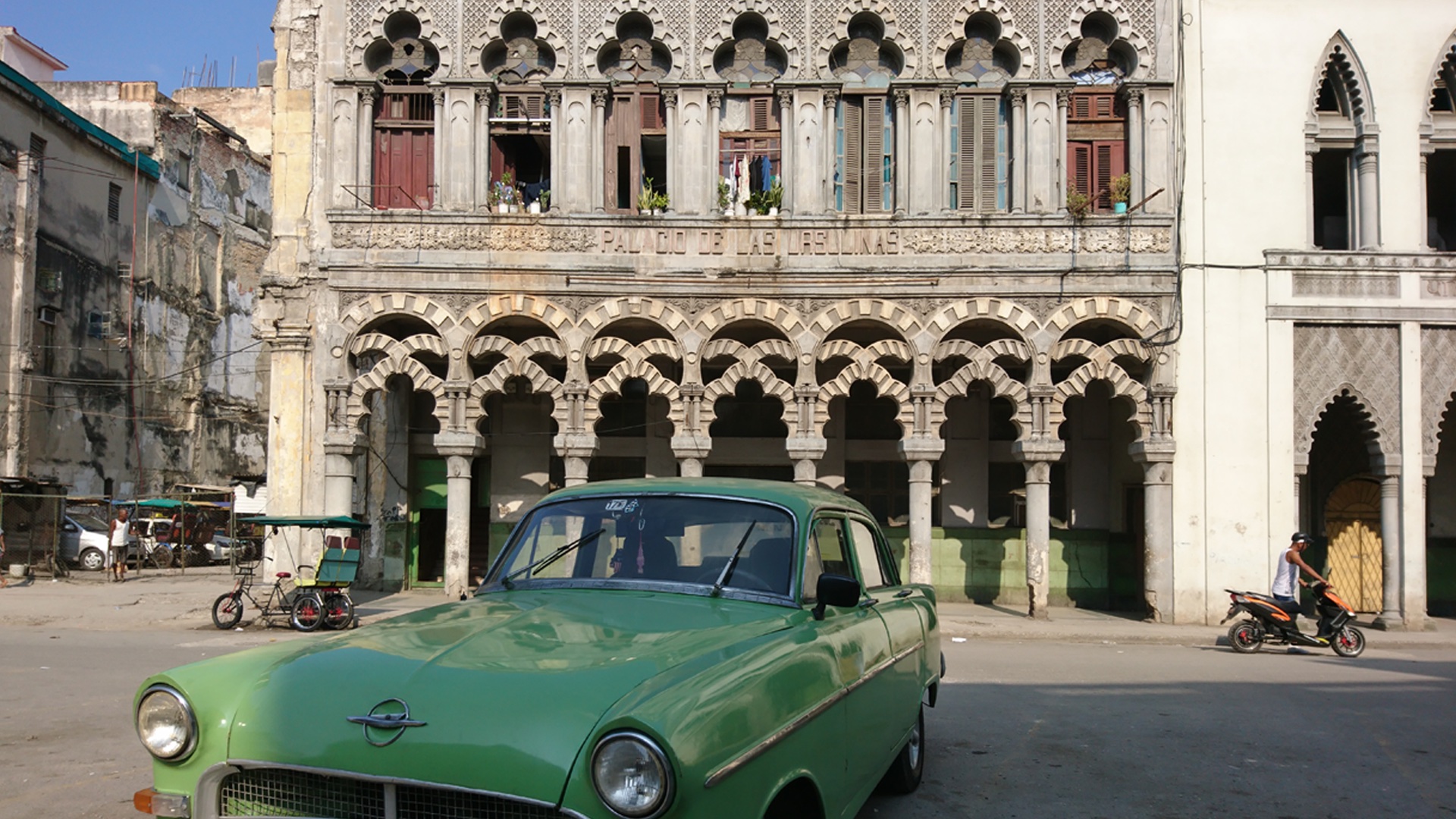
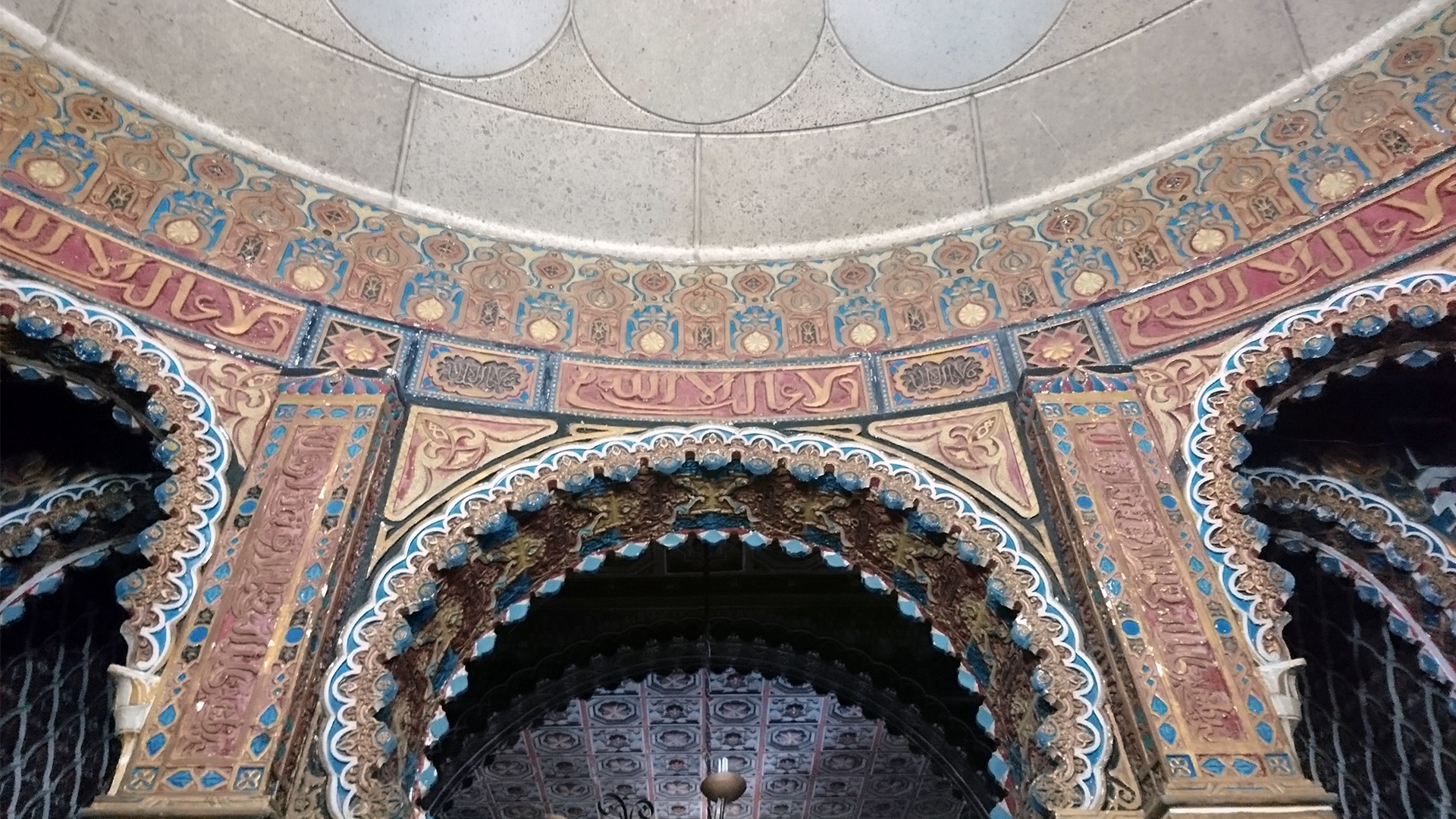
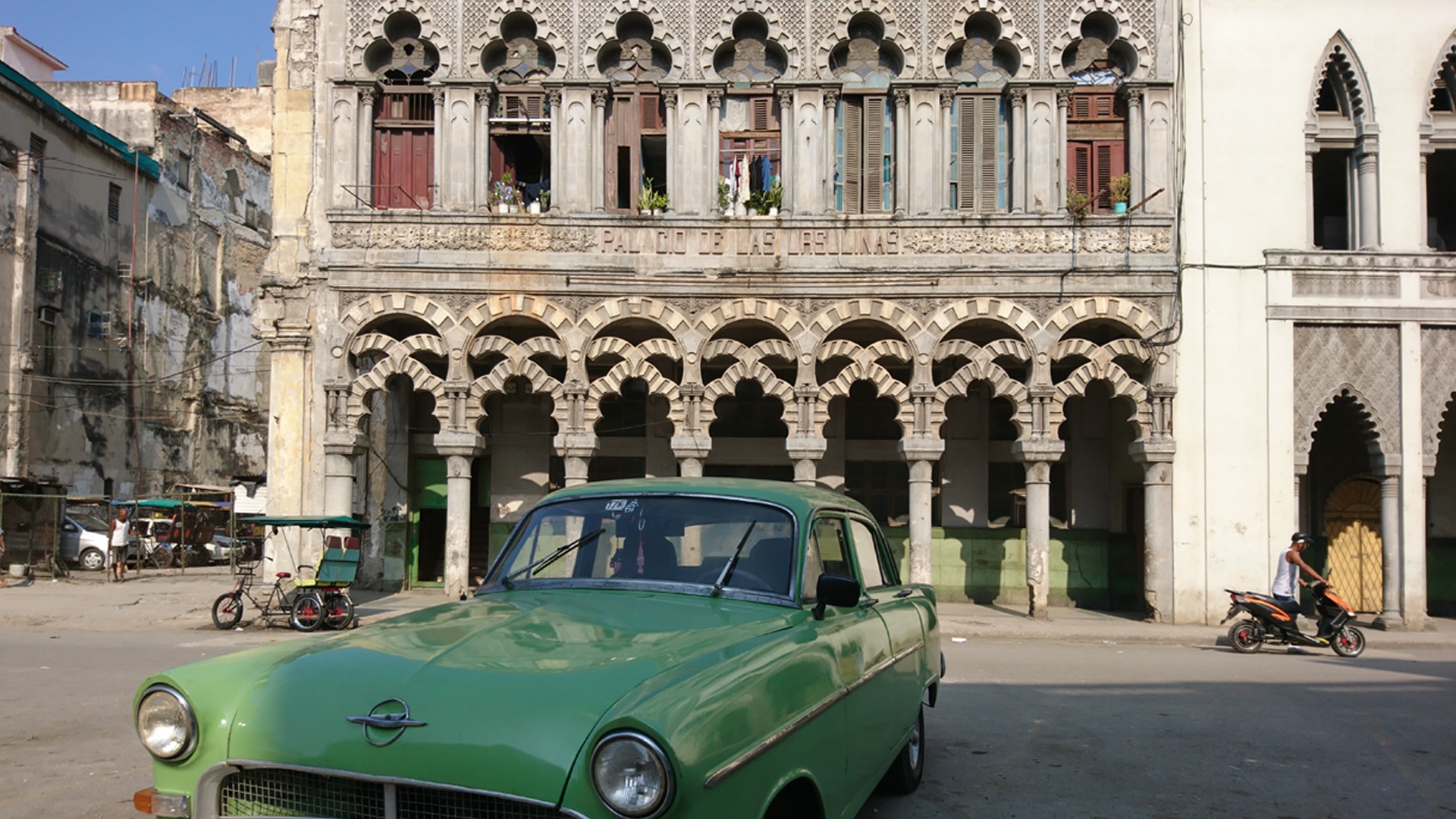
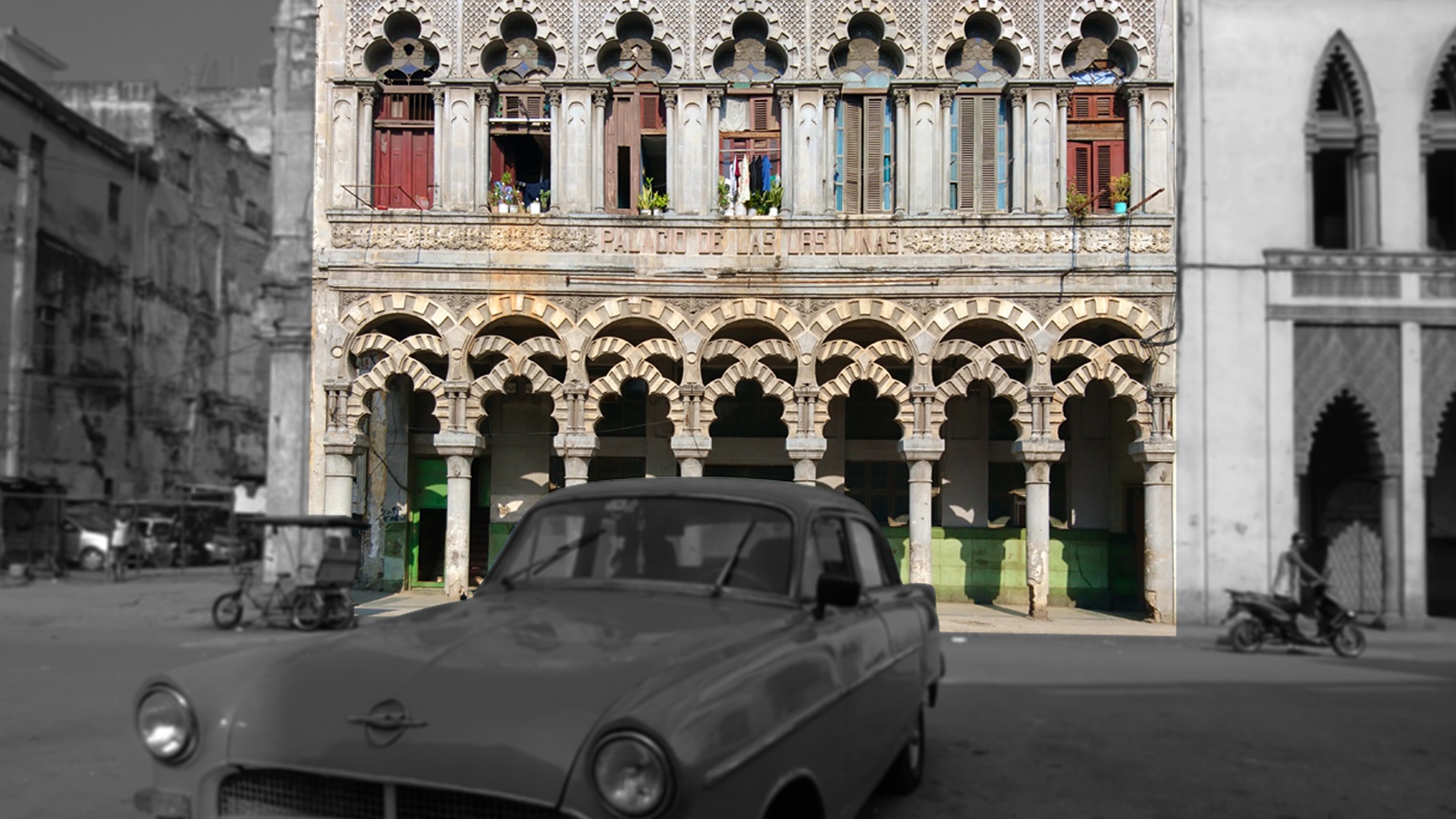
first: Palacio del Segundo Cabo. second: Palacio de las Ursulinas. third: Jardines de la Tropical primero: Palacio del Segundo Cabo. segundo: Palacio de las Ursulinas. tercero: Jardines de la Tropicalالأولى: قصر سيغوندو كابو. الثانية: قصر الأورسولينات. الثالثة: حدائق لا تروبيكال
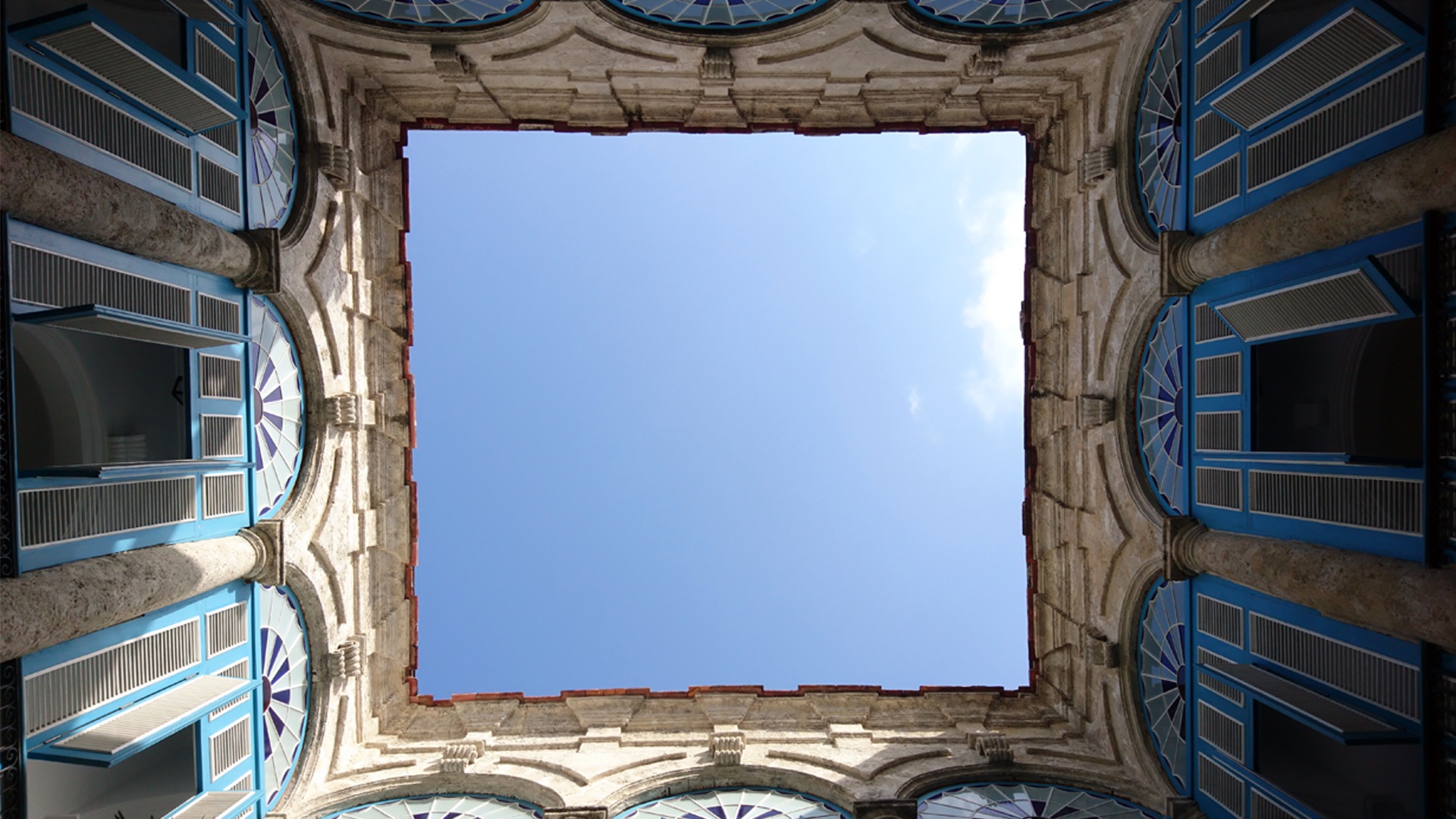
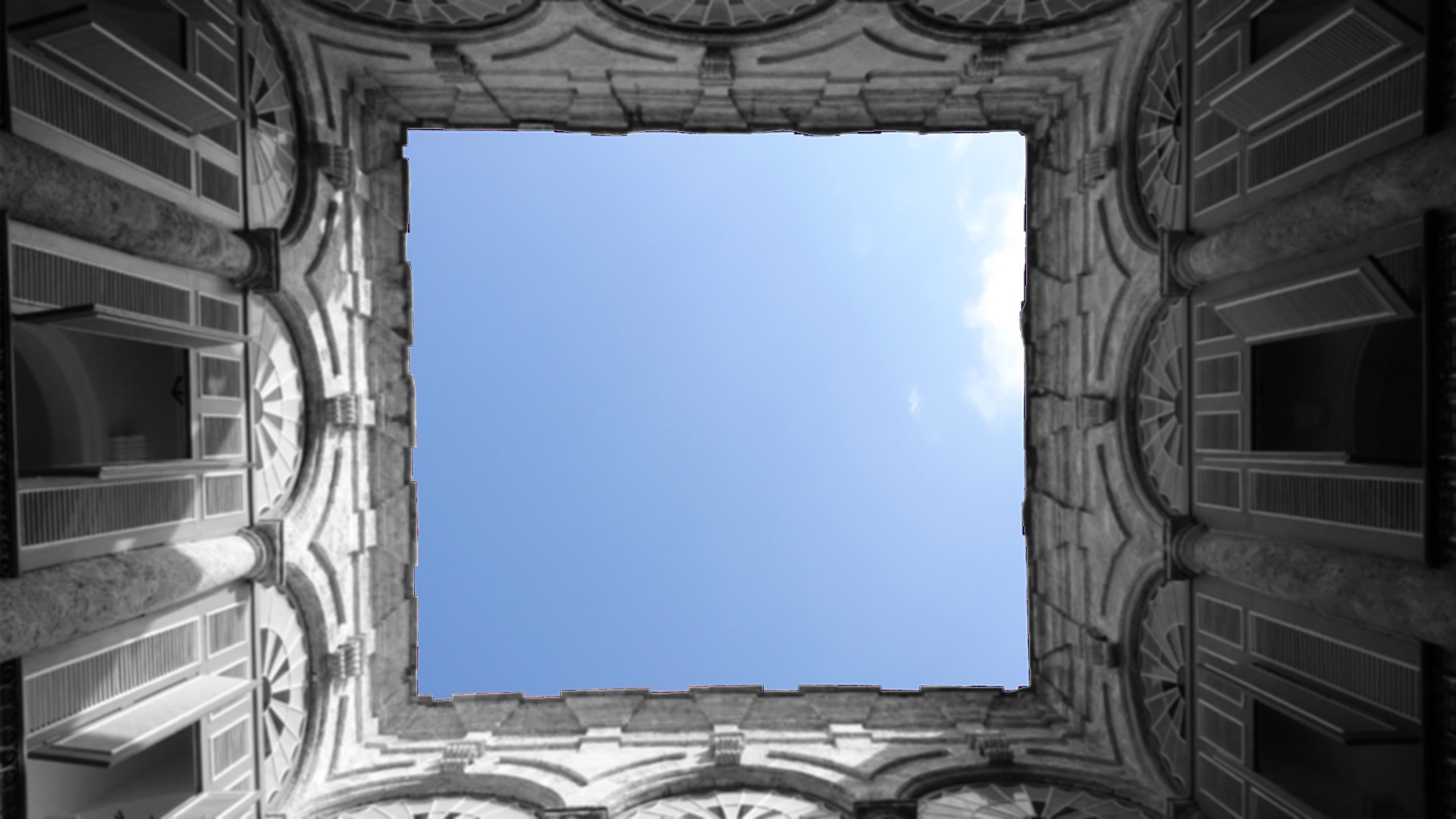
The courtyard, ubiquitous in Cuba, is a remnant of the Arabic presence on the Iberian Peninsula.
El patio, omnipresente en Cuba, es un vestigio de la presencia árabe en la península ibérica.
الفناء الداخلي، المنتشر في كل أنحاء كوبا، أثرٌ من الحضور العربي في شبه الجزيرة الإيبيرية.
Shown is the courtyard of the Palacio del Segundo Cabo, Habana Vieja.
Se muestra el patio del Palacio del Segundo Cabo, Habana Vieja.
في الصورة فناء قصر سيغوندو كابو في هافانا القديمة.
Arabic influence can be seen in façades of some buildings in Cuba.
La influencia árabe puede verse en las fachadas de algunos edificios de Cuba.
يمكن رؤية التأثير العربي في واجهات بعض المباني في كوبا.
Shown is the Palacio de las Ursulinas, Habana Vieja.
Se muestra el Palacio de las Ursulinas, Habana Vieja.
في الصورة قصر الأورسولينات في هافانا القديمة.
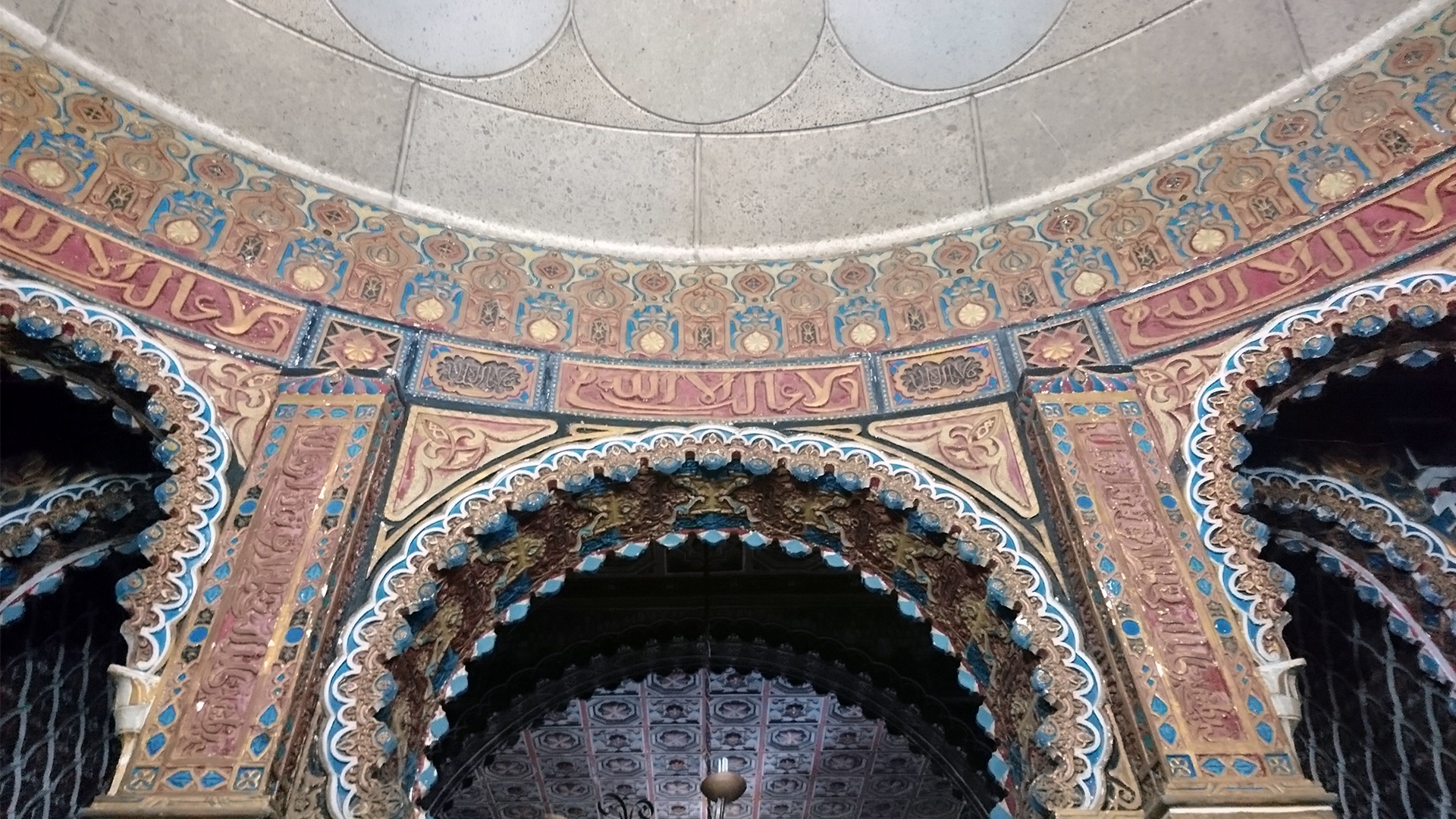
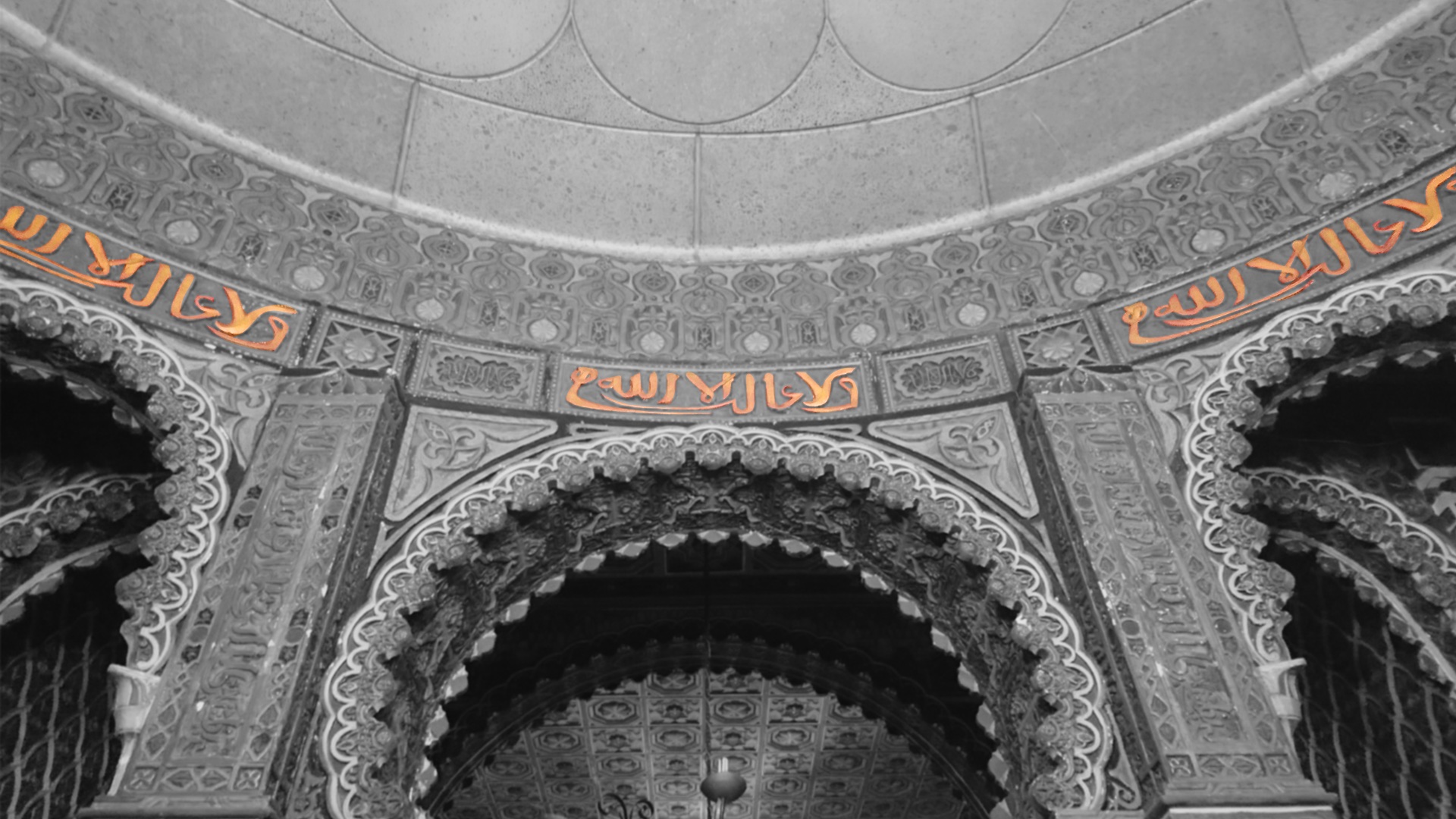
More explicitly, Arabic exists in Cuba as a form of nostalgia and exoticism.
De manera más explícita, lo árabe existe en Cuba como una forma de nostalgia y exotismo.
وبشكل أكثر صراحة، يحضر العربي في كوبا بوصفه ضربًا من الحنين والغرائبية.
"There is no winner but God" is inscribed in the interior of the castle at Los Jardines de la Tropical.
«No hay vencedor sino Dios» está inscrito en el interior del castillo de Los Jardines de la Tropical.
«لا غالب إلا الله» عبارة منقوشة داخل القصر في حدائق لا تروبيكال.
LanguageLenguaاللغة
A significant number of words of Arabic origins remain in Spanish.
Un número significativo de palabras de origen árabe permanece en el español.
ما زال عدد كبير من الكلمات ذات الأصول العربية باقيًا في الإسبانية.
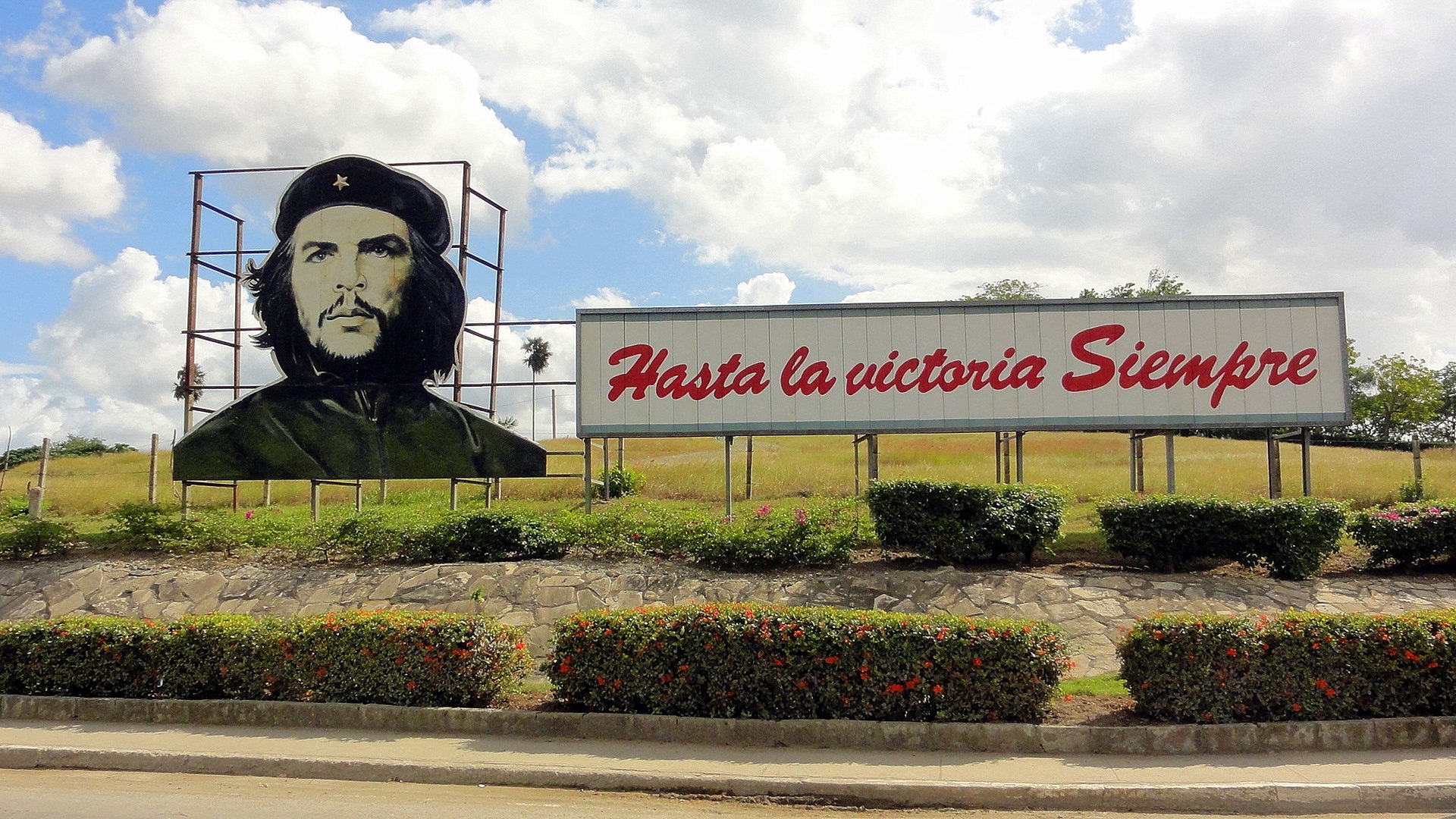
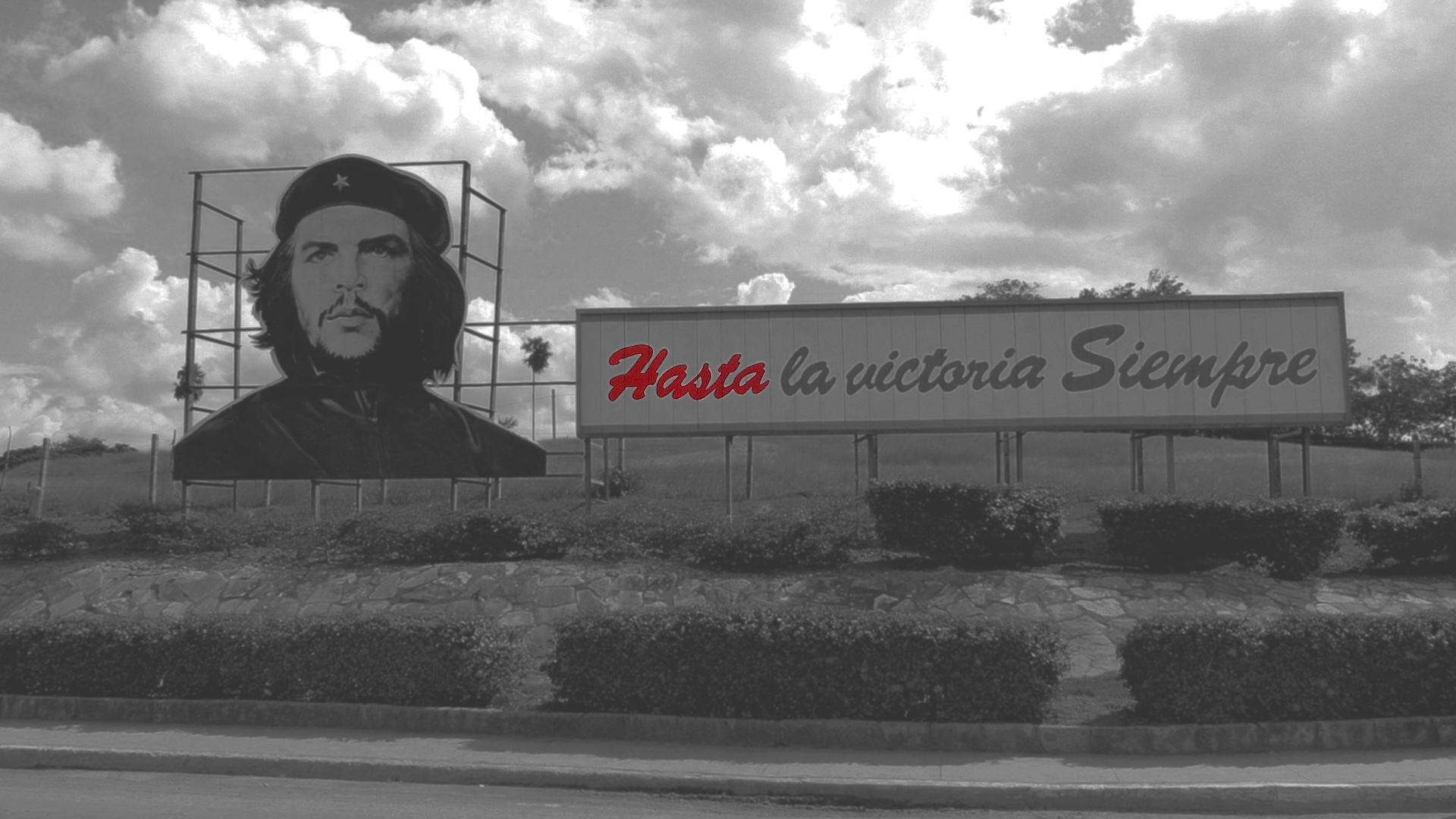
Arabic is present in Cuban conversation through everyday Spanish.
El árabe está presente en la conversación cubana a través del español cotidiano.
العربية حاضرة في حديث الكوبيين اليومي عبر الإسبانية الدارجة.
Spanish words of Arabic origin include:
Entre las palabras españolas de origen árabe se encuentran:
من الكلمات الإسبانية ذات الأصل العربي:
| Spanish | Arabic Transliteration | English | Arabic |
|---|---|---|---|
| Hasta | Hatta | Until | حتى |
| Almohada | Almohada | Pillow | مخدة |
| Azúcar | Sucar | Sugar | السكر |
| Aceit | Azeit | Oil | زيت |
| Aceituna | Azeitun | Olive | زيتون |
| Tasa | Tasa | Cup | طاسة |
| Café | Qahwa | Coffee | قهوة |
| Ojalá | Inshallah | Hopefully | إن شاء الله |
| Español | Transliteración | Inglés | Árabe |
|---|---|---|---|
| Hasta | Hatta | Until | حتى |
| Almohada | Almohada | Pillow | مخدة |
| Azúcar | Sucar | Sugar | السكر |
| Aceit | Azeit | Oil | زيت |
| Aceituna | Azeitun | Olive | زيتون |
| Tasa | Tasa | Cup | طاسة |
| Café | Qahwa | Coffee | قهوة |
| Ojalá | Inshallah | Hopefully | إن شاء الله |
| الإسبانية | النقحرة | الإنجليزية | العربية |
|---|---|---|---|
| Hasta | Hatta | Until | حتى |
| Almohada | Almohada | Pillow | مخدة |
| Azúcar | Sucar | Sugar | السكر |
| Aceit | Azeit | Oil | زيت |
| Aceituna | Azeitun | Olive | زيتون |
| Tasa | Tasa | Cup | طاسة |
| Café | Qahwa | Coffee | قهوة |
| Ojalá | Inshallah | Hopefully | إن شاء الله |
Among many others...
Entre muchas otras...
وغيرها كثير...
Chapter TwoCapítulo dosالفصل الثاني
Causes of Migration and the Formation of the CommunityCausas de la migración y la formación de la comunidadأسباب الهجرة وتكوّن الجالية
There were various causes for the emigration of Arabs from Greater Syria in the second half of the 19th century. Although economic motivations were most important, there were also other elements that influenced the migration process to the Americas, including civil unrest and famine.
Fueron diversas las causas de la emigración de árabes desde la Gran Siria en la segunda mitad del siglo XIX. Aunque las motivaciones económicas fueron las más importantes, también influyeron en el proceso migratorio hacia América otros elementos, incluidos los disturbios civiles y la hambruna.
تعددت أسباب هجرة العرب من سوريا الكبرى في النصف الثاني من القرن التاسع عشر. ومع أن الدوافع الاقتصادية كانت الأهم، أثّرت في مسار الهجرة إلى الأمريكتين عوامل أخرى أيضًا، منها الاضطرابات الأهلية والمجاعة.
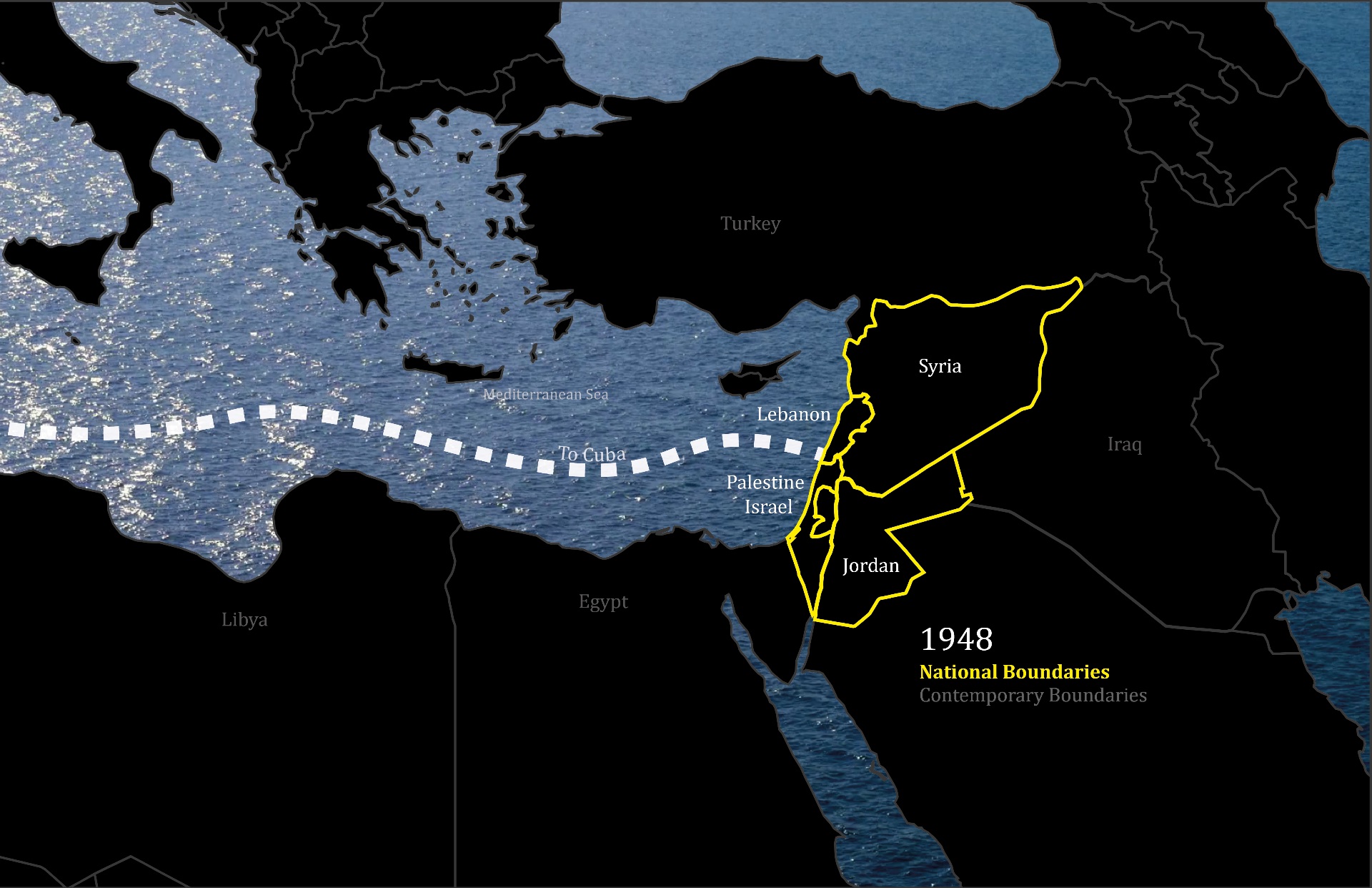
The first wave of Arab immigration occurred at the time of the Turkish Ottoman Empire and they were thus classified as turcos (Turks), although this was a misnomer.
La primera ola de inmigración árabe ocurrió en tiempos del Imperio otomano turco, por lo que fueron clasificados como «turcos», aunque se trataba de un nombre equivocado.
حدثت الموجة الأولى من الهجرة العربية في زمن الدولة العثمانية التركية، ولذلك صُنّف المهاجرون «أتراكًا» (turcos)، وإن كانت تسمية خاطئة.
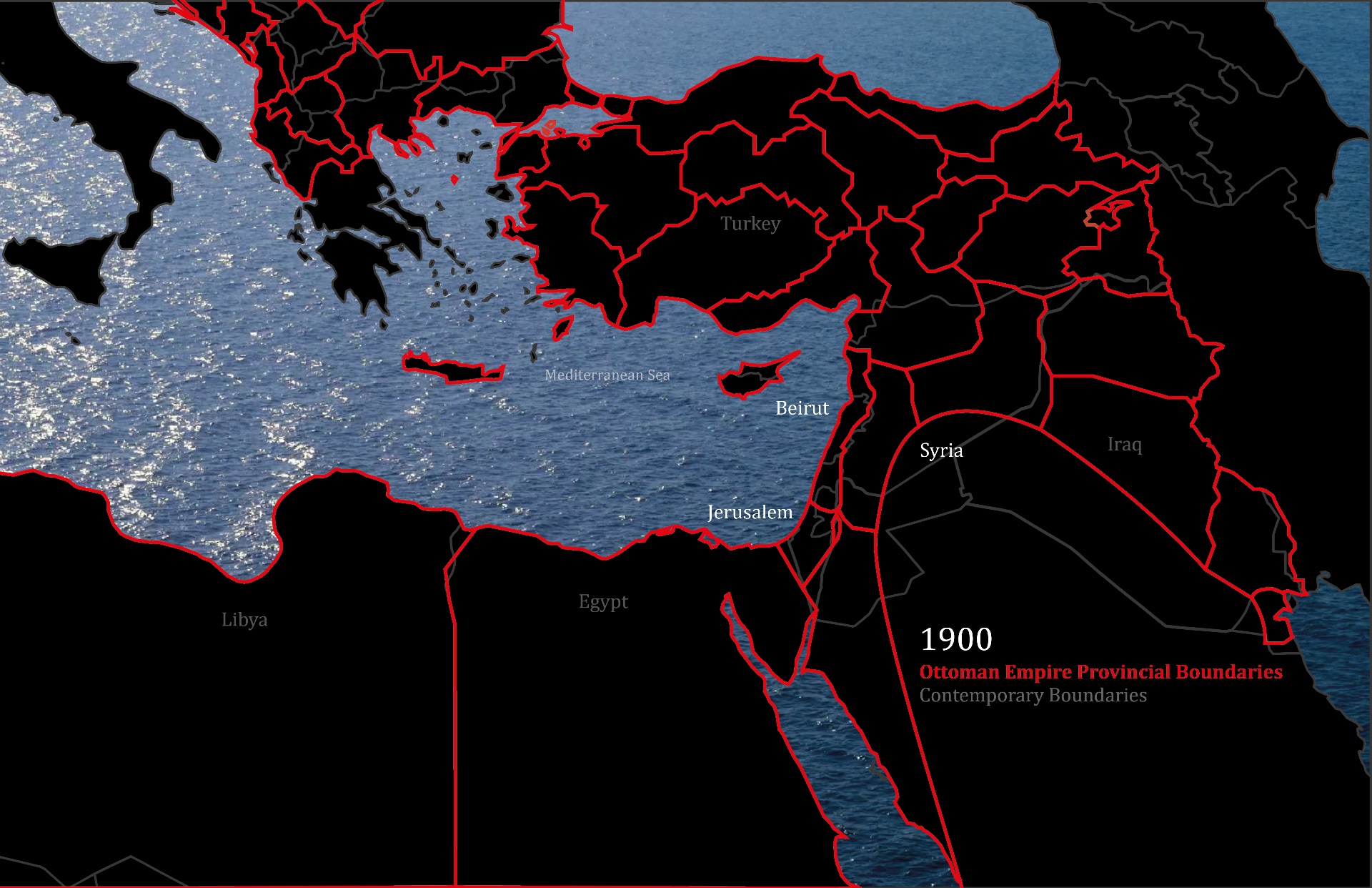
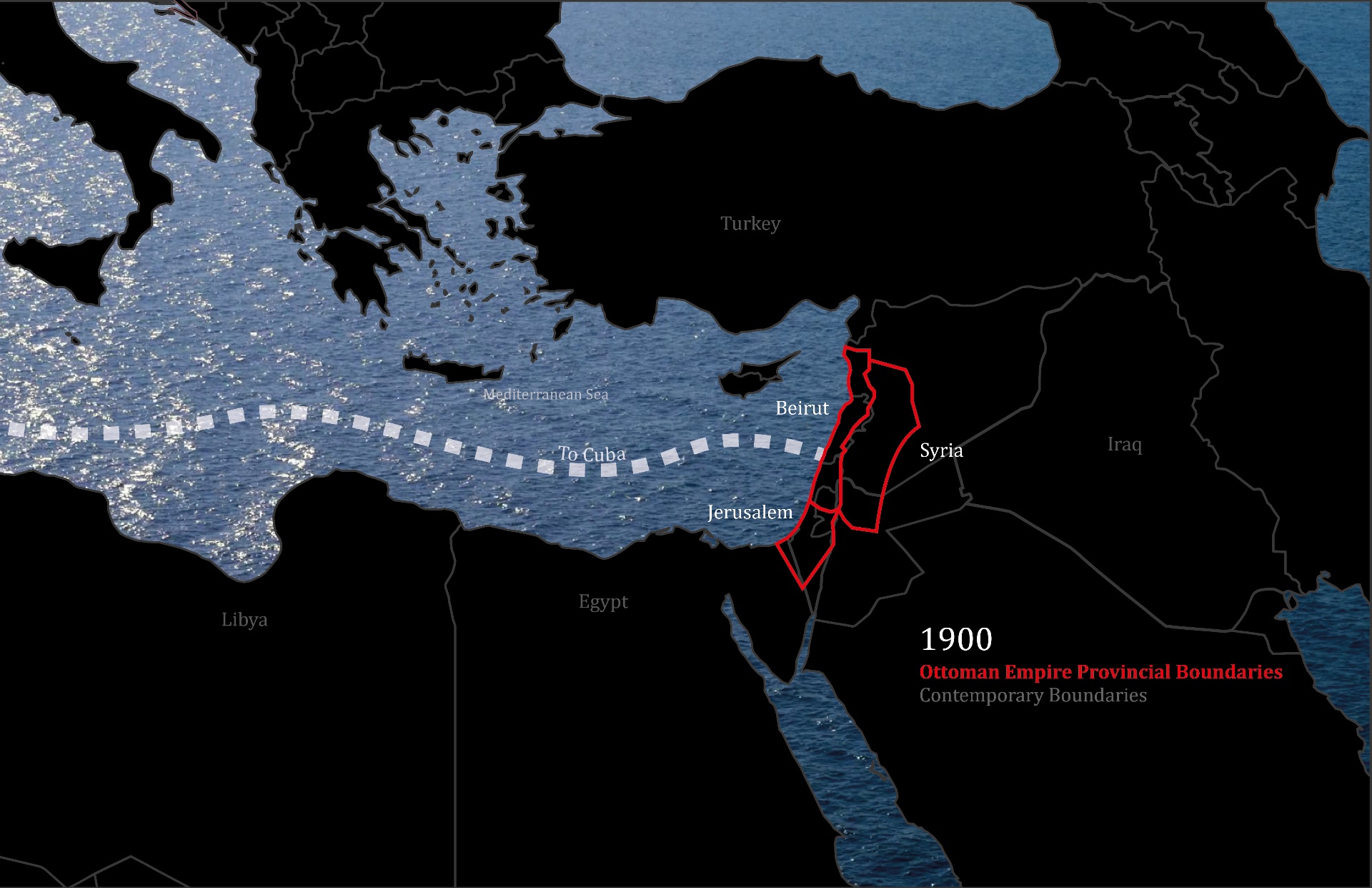
The Arab immigrants mostly left from the Ottoman provinces of Beirut, Jerusalem, and Syria.
Los inmigrantes árabes partieron mayormente de las provincias otomanas de Beirut, Jerusalén y Siria.
غادر المهاجرون العرب في معظمهم من ولايات بيروت والقدس وسوريا العثمانية.
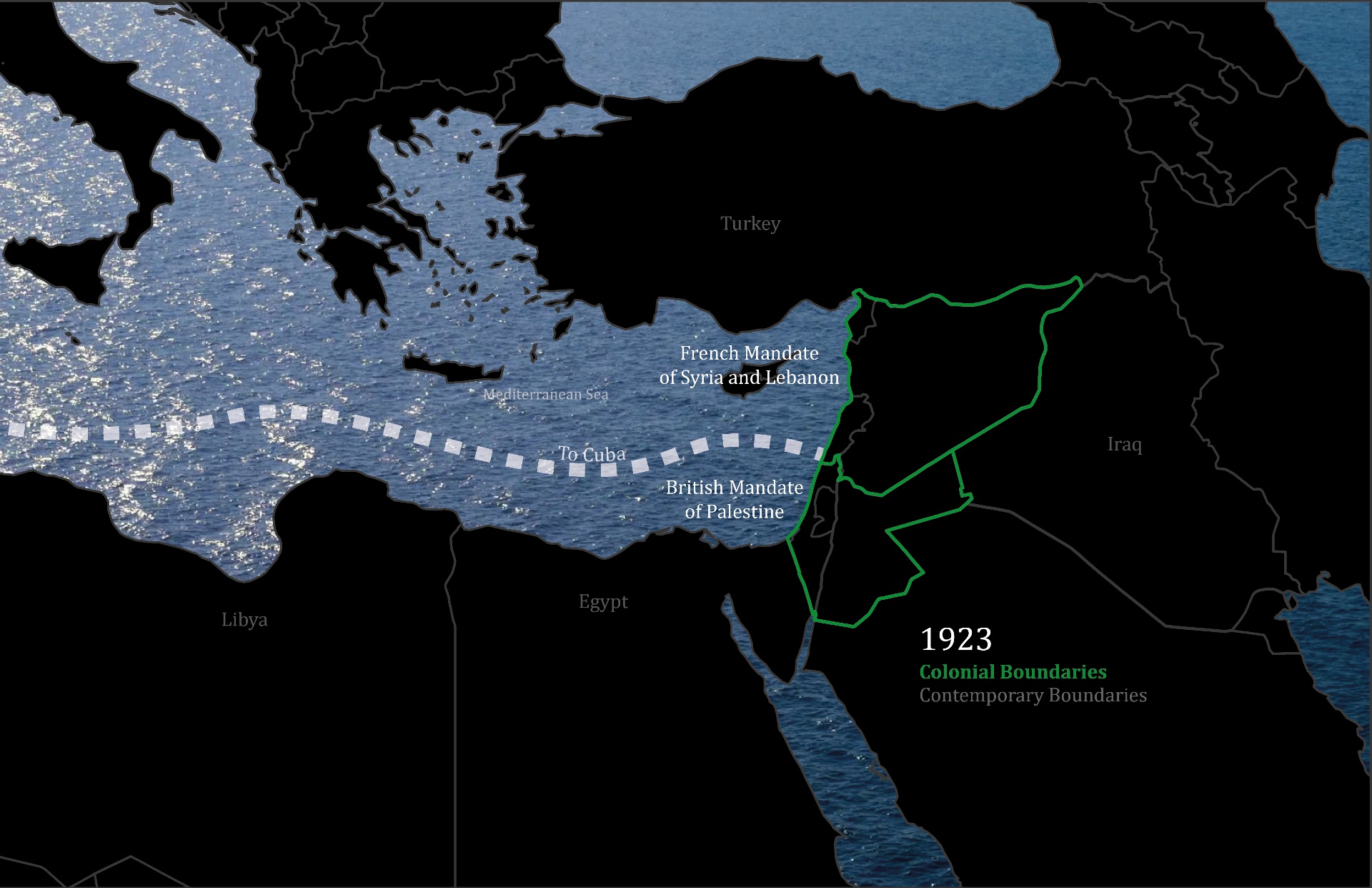
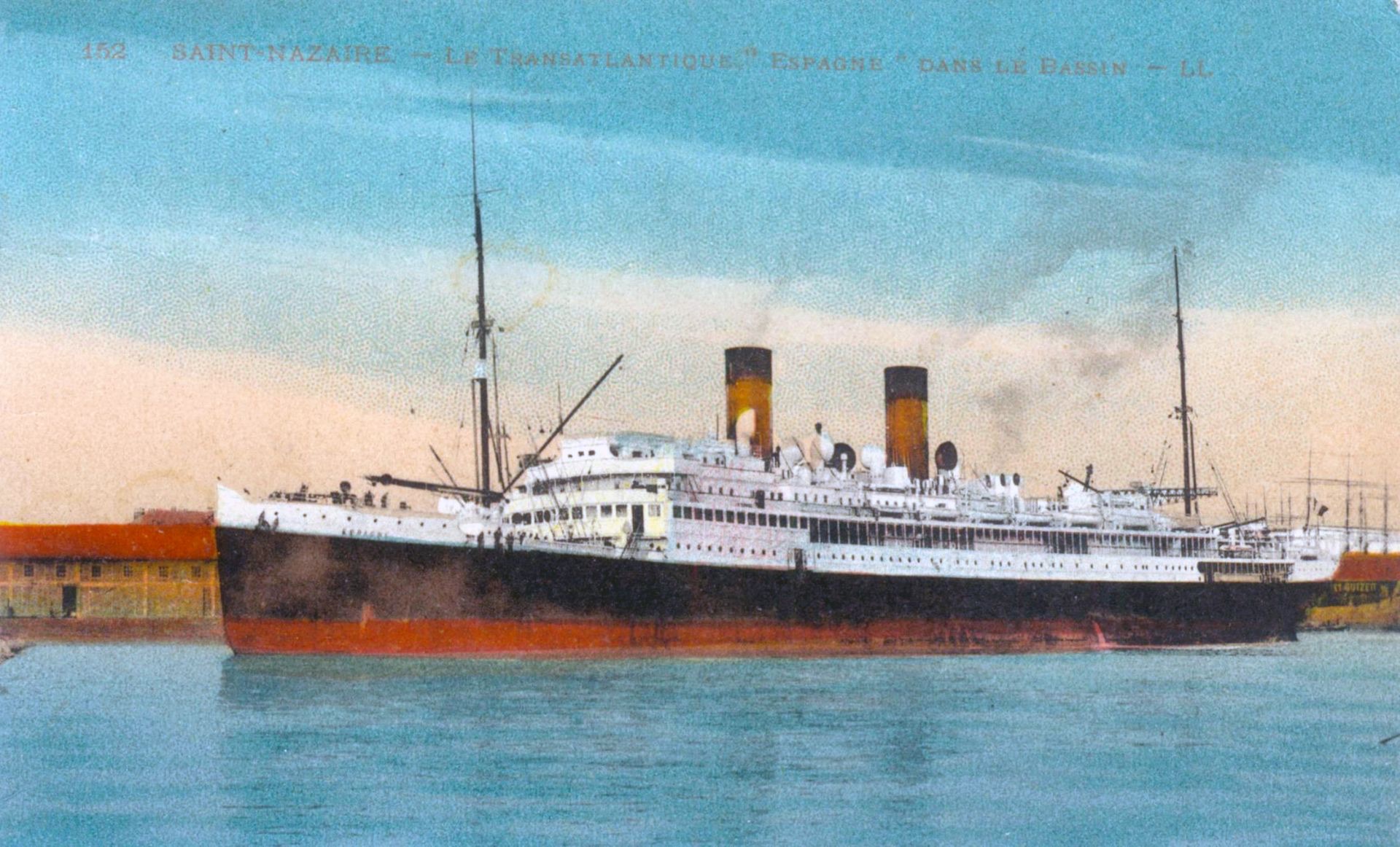
Most Arabs emigrated to Cuba right after the First World War as the Ottoman Empire was collapsing and the colonial rule of Greater Syria by France and the United Kingdom was beginning.
It was at this time that the Cuban immigration census accounted for Arabs as distinct people from Turks.
La mayoría de los árabes emigró a Cuba justo después de la Primera Guerra Mundial, cuando el Imperio otomano colapsaba y comenzaba el dominio colonial de la Gran Siria por parte de Francia y el Reino Unido.
هاجر معظم العرب إلى كوبا بُعيد الحرب العالمية الأولى، مع انهيار الدولة العثمانية وبداية الحكم الاستعماري الفرنسي والبريطاني لسوريا الكبرى.
Fue entonces cuando el censo de inmigración cubano contabilizó a los árabes como un pueblo distinto de los turcos.
وفي ذلك الوقت بدأ إحصاء الهجرة الكوبي يحتسب العرب شعبًا متمايزًا عن الأتراك.
Arab Immigrants to Cuba, 1920 - 1931
Inmigrantes árabes a Cuba, 1920–1931
المهاجرون العرب إلى كوبا، 1920–1931
Arab migration to Cuba began to dwindle during the independence movements and creation of the nation-states around the 1930s-1940s.
La migración árabe a Cuba comenzó a disminuir durante los movimientos de independencia y la creación de los Estados nacionales hacia las décadas de 1930 y 1940.
بدأت الهجرة العربية إلى كوبا بالانحسار مع حركات الاستقلال ونشوء الدول الوطنية حوالي ثلاثينيات وأربعينيات القرن العشرين.
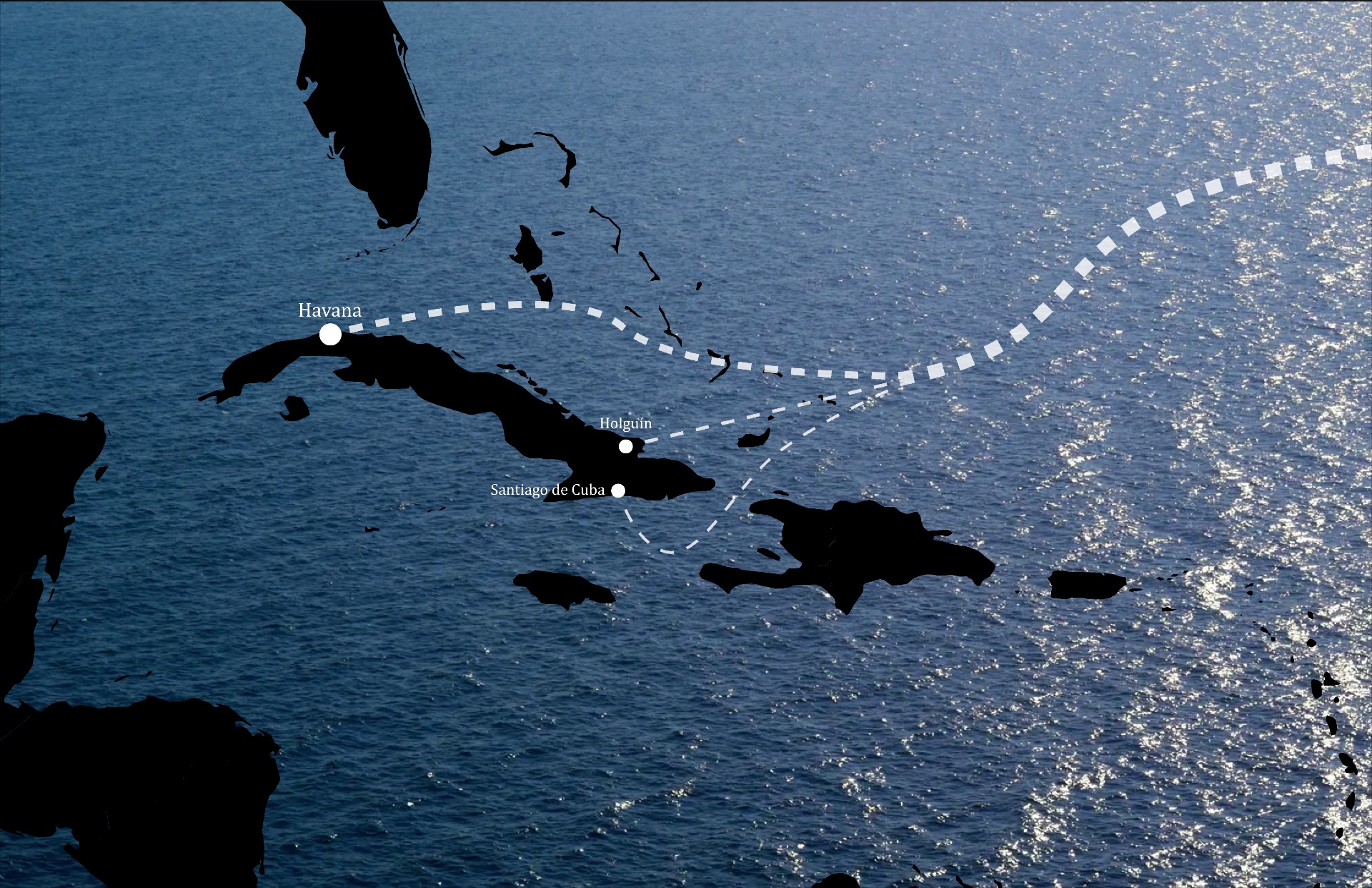
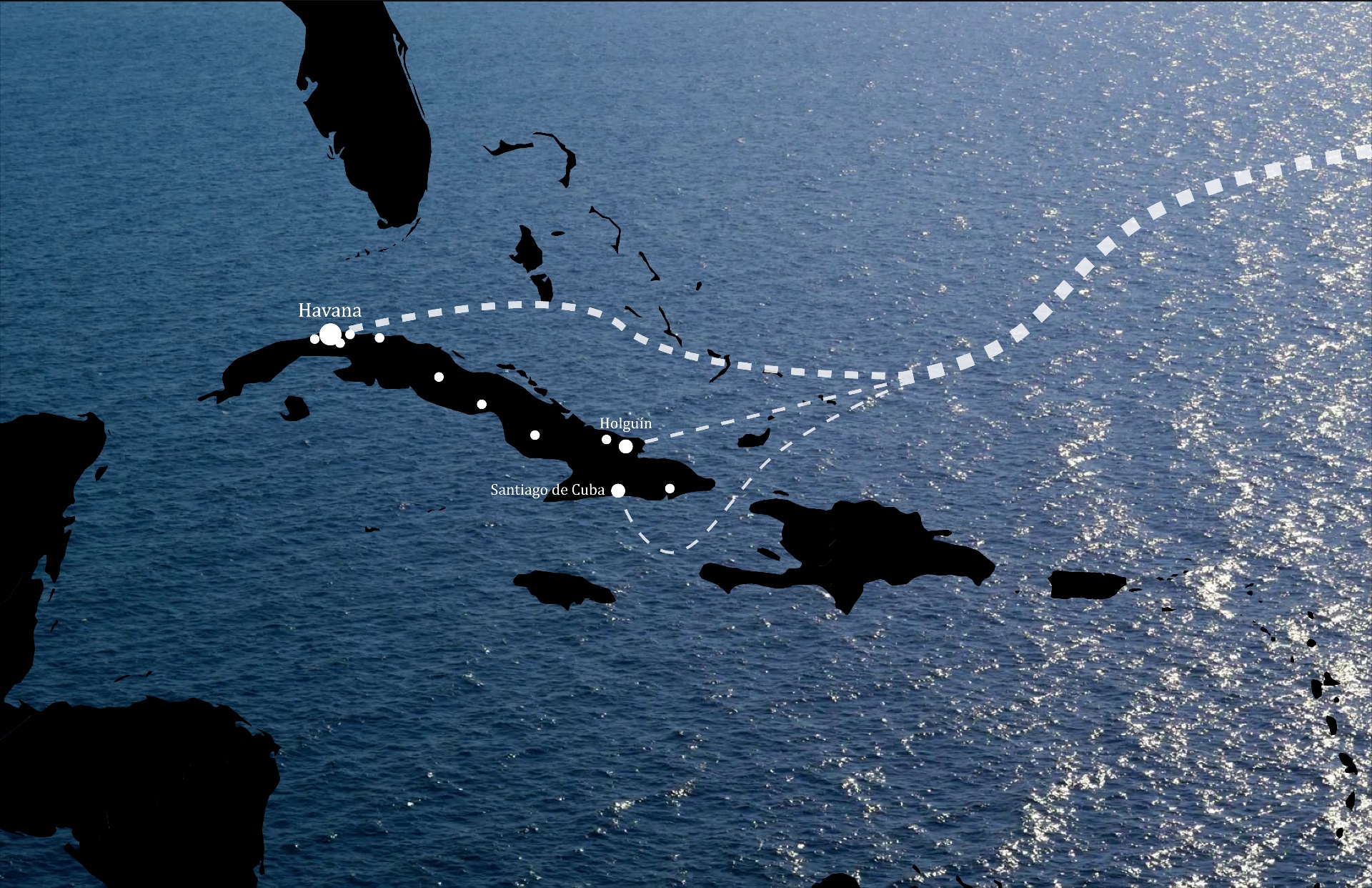
Most Arabs settled in Havana, with a significant number in Holguín and Santiago de Cuba.
La mayoría de los árabes se asentó en La Habana, con un número significativo en Holguín y Santiago de Cuba.
استقر معظم العرب في هافانا، مع أعداد كبيرة في أولغين وسانتياغو دي كوبا.
| City | Percentage |
|---|---|
| Havana | 24.5% |
| Holguín | 5.6% |
| Santiago de Cuba | 3.9% |
| Camagüey | 3.3% |
| Matanzas | 3.1% |
| Guantánamo | 2.9% |
| Ciego de Ávila | 2.8% |
| Santa Clara | 2.7% |
| Puerto Padre | 2.7% |
| Cárdenas | 2.4% |
| Marianao | 2.3% |
| Guanabacoa | 2.2% |
| Ciudad | Porcentaje |
|---|---|
| La Habana | 24,5 % |
| Holguín | 5,6 % |
| Santiago de Cuba | 3,9 % |
| Camagüey | 3,3 % |
| Matanzas | 3,1 % |
| Guantánamo | 2,9 % |
| Ciego de Ávila | 2,8 % |
| Santa Clara | 2,7 % |
| Puerto Padre | 2,7 % |
| Cárdenas | 2,4 % |
| Marianao | 2,3 % |
| Guanabacoa | 2,2 % |
| المدينة | النسبة |
|---|---|
| هافانا | 24.5% |
| أولغين | 5.6% |
| سانتياغو دي كوبا | 3.9% |
| كاماغوي | 3.3% |
| ماتانساس | 3.1% |
| غوانتانامو | 2.9% |
| سييغو دي أبيلا | 2.8% |
| سانتا كلارا | 2.7% |
| بويرتو بادري | 2.7% |
| كارديناس | 2.4% |
| ماريانّاو | 2.3% |
| غواناباكوا | 2.2% |
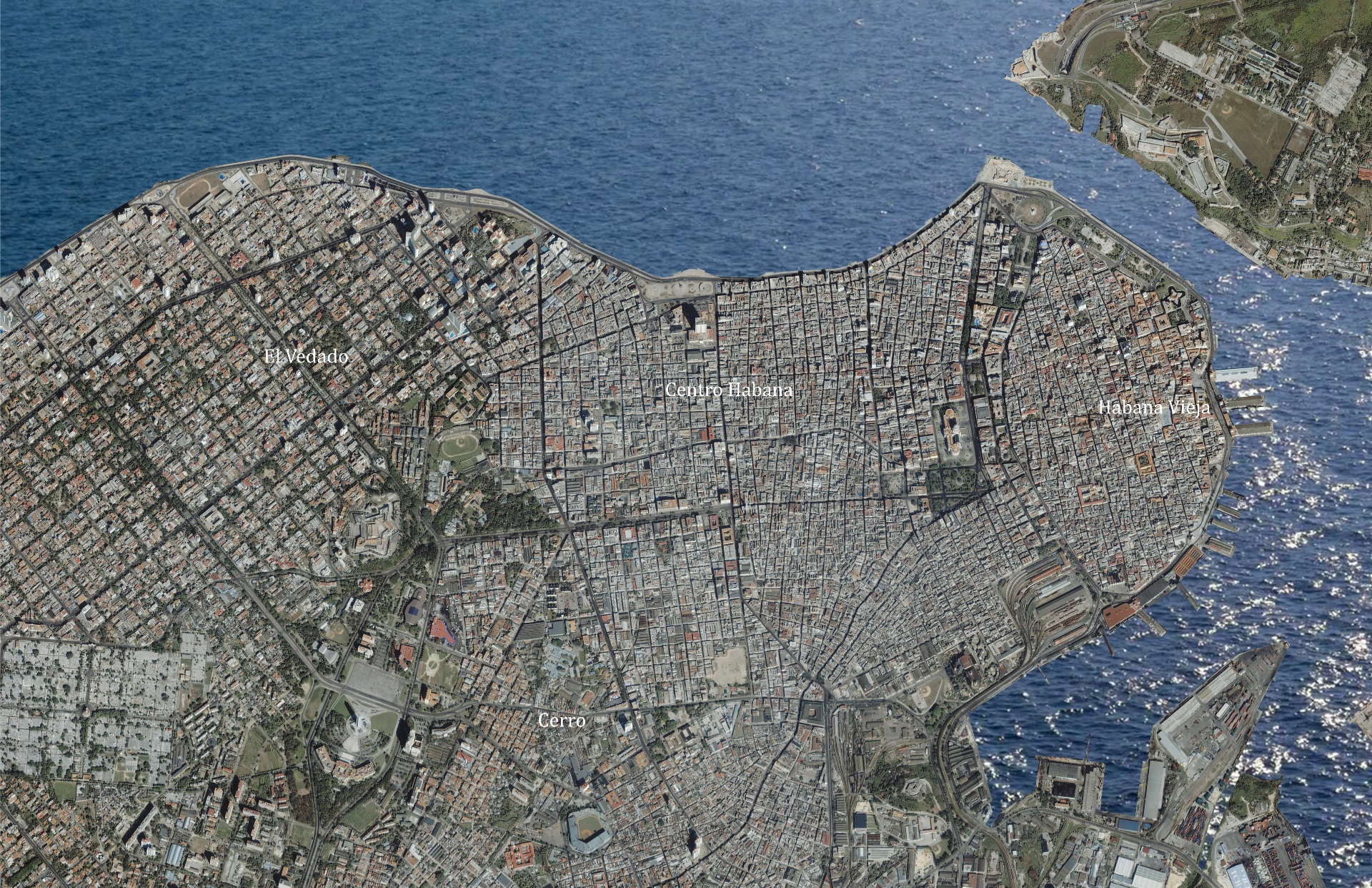
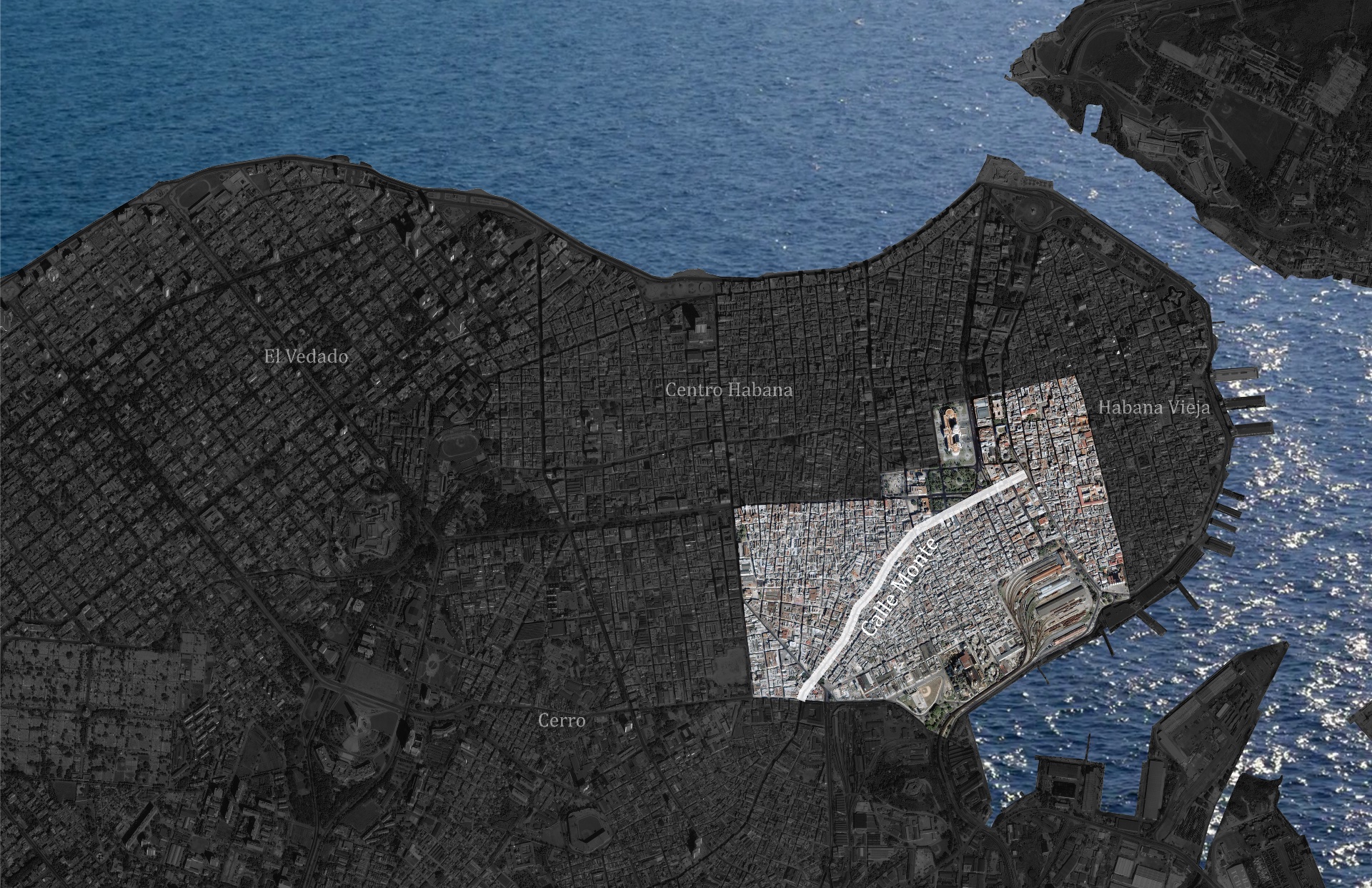
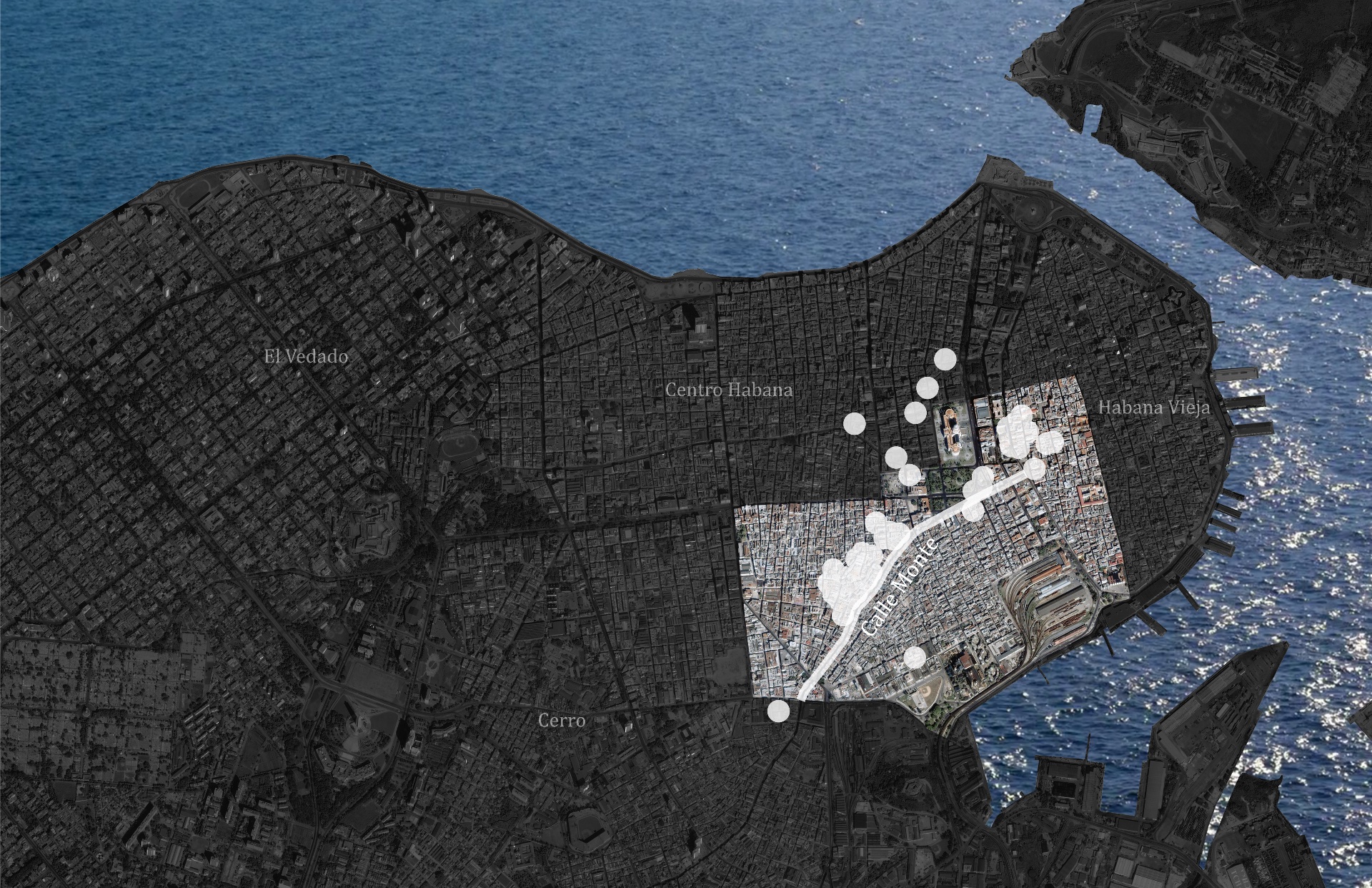
In Havana, Calle Monte and the surrounding area became the center of Arab culture and commerce on the island.
En La Habana, la Calle Monte y sus alrededores se convirtieron en el centro de la cultura y el comercio árabes en la isla.
في هافانا أصبحت جادة مونتي (Calle Monte) وما حولها مركز الثقافة والتجارة العربية في الجزيرة.
Many Arabs began establishing their businesses and institutions, most concentrating in pockets in areas around Centro Habana and Habana Vieja.
Muchos árabes comenzaron a establecer sus negocios e instituciones, concentrándose sobre todo en focos alrededor de Centro Habana y Habana Vieja.
بدأ كثير من العرب تأسيس متاجرهم ومؤسساتهم، متركزين في جيوب حول سنترو هافانا وهافانا القديمة.
Like many immigrants, Arabs in Cuba felt insecure regarding their status and shared a desire for social advancement.
Como muchos inmigrantes, los árabes en Cuba se sentían inseguros respecto a su estatus y compartían el deseo de ascenso social.
كحال كثير من المهاجرين، شعر العرب في كوبا بعدم الاطمئنان إلى وضعهم، وجمعتهم الرغبة في الارتقاء الاجتماعي.
During this stage, Arabs are considered “the other” in society and culture. Influenced by their nostalgia for their native land and their new experience in Cuba, they brought with them and cherished images of their homeland.
Durante esta etapa, los árabes son considerados «el otro» en la sociedad y la cultura. Influidos por la nostalgia de su tierra natal y por su nueva experiencia en Cuba, trajeron consigo y atesoraron imágenes de su patria.
في هذه المرحلة كان العرب يُعدّون «الآخر» في المجتمع والثقافة. وبتأثير الحنين إلى موطنهم الأصلي وتجربتهم الجديدة في كوبا، حملوا معهم صور وطنهم واعتزّوا بها.
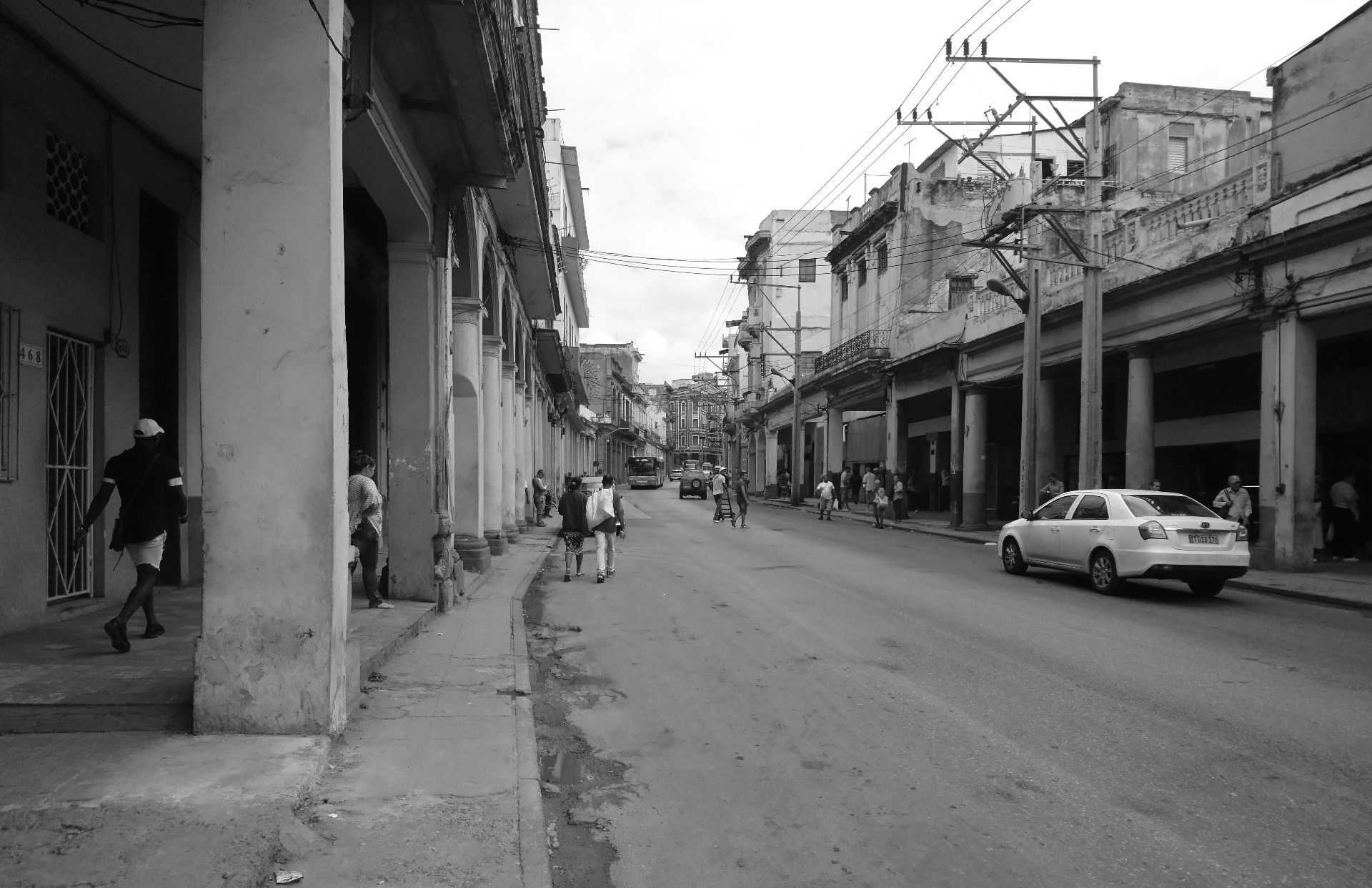
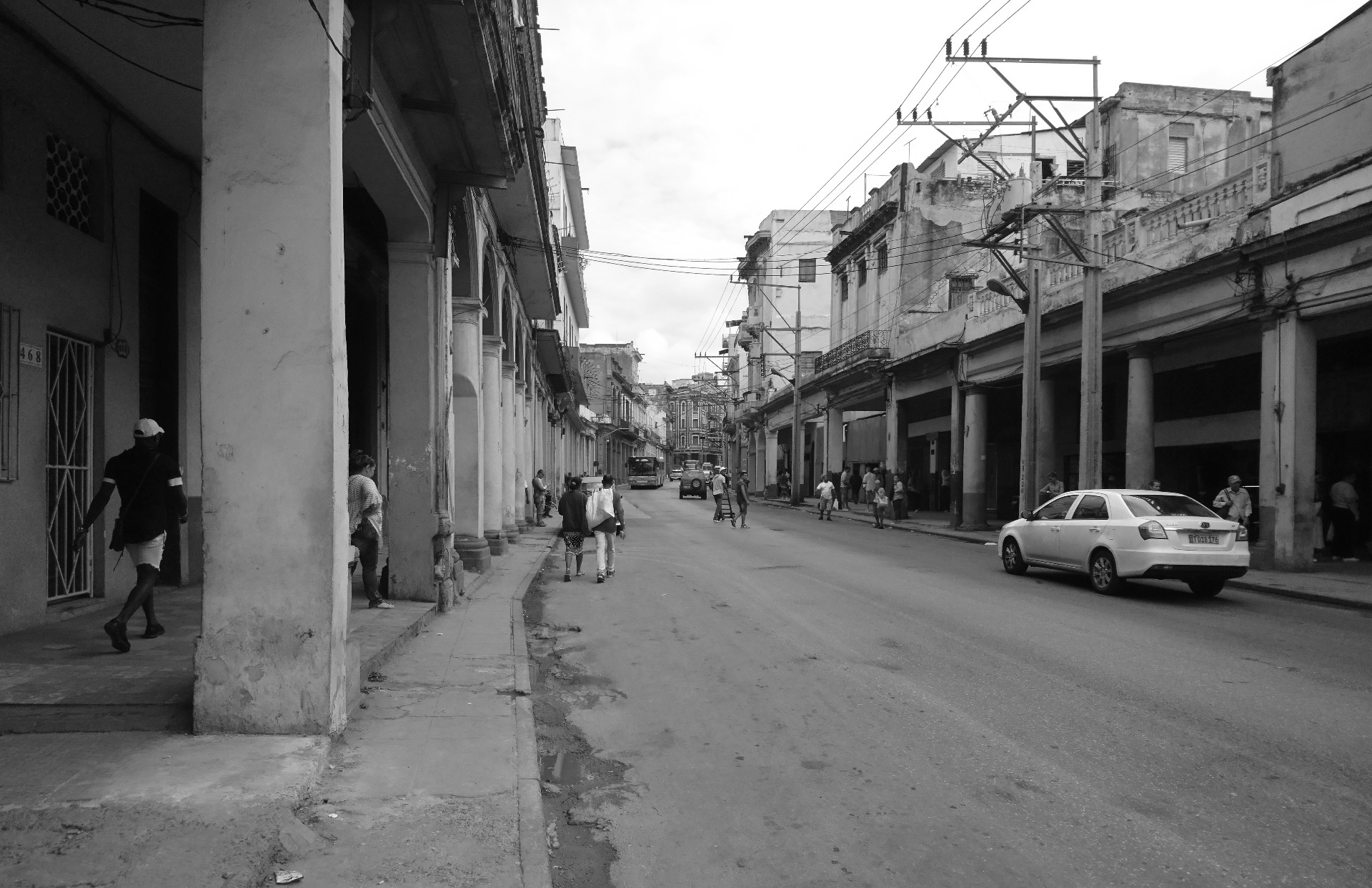
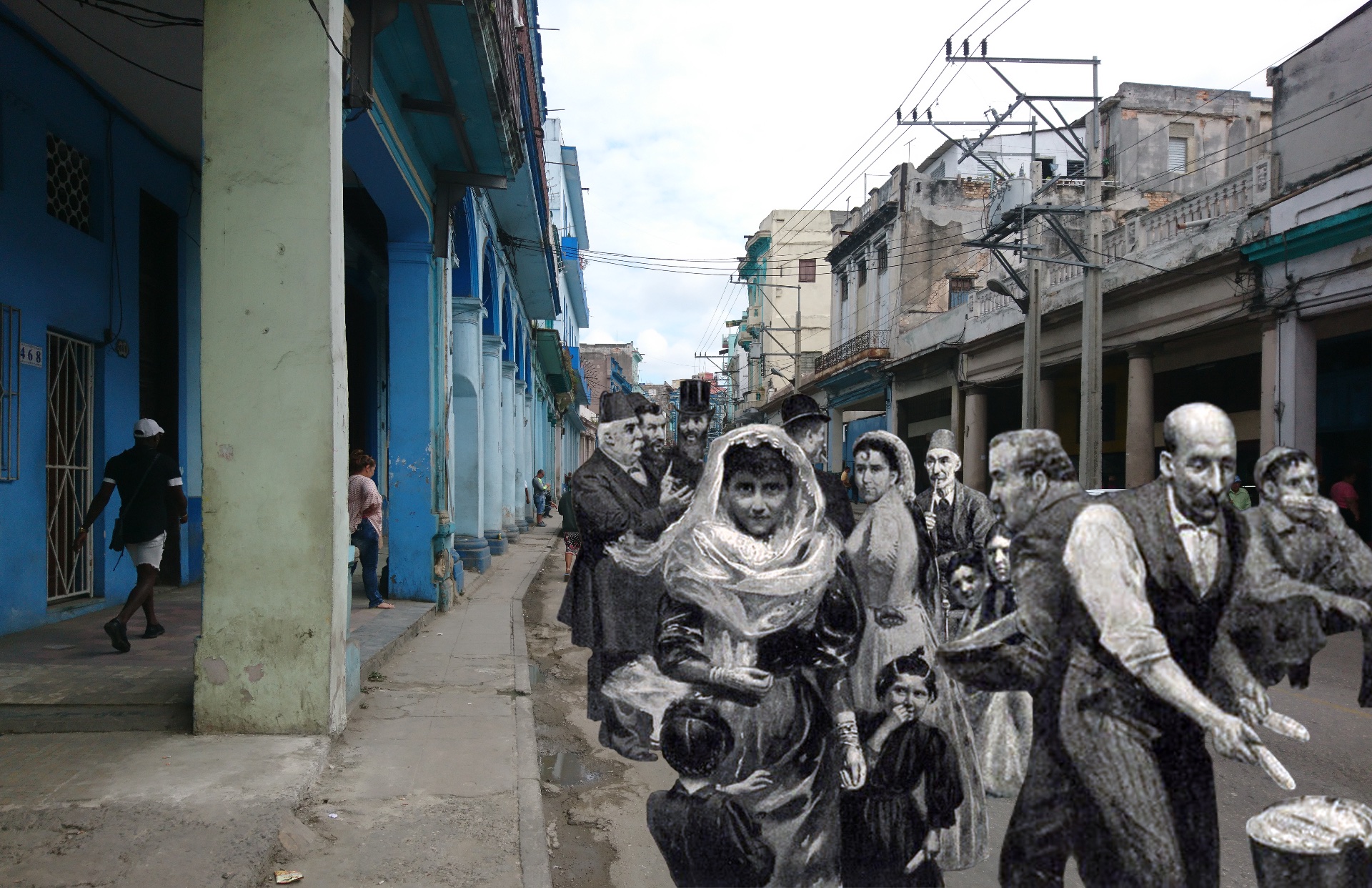
In the area of Calle Monte, there were shops, stores, inns, restaurants, bakeries, and associations that reflected an ethnic community and visible collective that was forming.
En la zona de la Calle Monte había tiendas, comercios, posadas, restaurantes, panaderías y asociaciones que reflejaban una comunidad étnica y un colectivo visible en formación.
في منطقة جادة مونتي كانت هناك حوانيت ومتاجر وخانات ومطاعم ومخابز وجمعيات تعكس جاليةً إثنية وكيانًا جماعيًا ظاهرًا آخذًا في التشكل.
| Store Name | Industry |
|---|---|
| El Turco | Tailoring and clothing |
| La Siria | Silk, hardware, and perfume |
| La Flor de Palestina | Textile |
| El Estrella de Oriente | Clothing, silk, hardware |
| Monte Libano | Men's Clothing |
| La Mora | Mini-mart |
| La Jerusalen | Hardware and men's clothing |
| El Cedro Libanes | Clothing |
| La Siria | Furniture |
| La Siria Moderna | Clothing |
| La Flor de Siria | Textile |
| El Árabe | Restaurant |
| Nombre del comercio | Ramo |
|---|---|
| El Turco | Sastrería y ropa |
| La Siria | Seda, ferretería y perfumes |
| La Flor de Palestina | Textiles |
| El Estrella de Oriente | Ropa, seda y ferretería |
| Monte Libano | Ropa de hombre |
| La Mora | Minimercado |
| La Jerusalen | Ferretería y ropa de hombre |
| El Cedro Libanes | Ropa |
| La Siria | Muebles |
| La Siria Moderna | Ropa |
| La Flor de Siria | Textiles |
| El Árabe | Restaurante |
| اسم المتجر | النشاط |
|---|---|
| El Turco | الخياطة والملابس |
| La Siria | الحرير والخردوات والعطور |
| La Flor de Palestina | المنسوجات |
| El Estrella de Oriente | الملابس والحرير والخردوات |
| Monte Libano | ملابس رجالية |
| La Mora | بقالة صغيرة |
| La Jerusalen | الخردوات والملابس الرجالية |
| El Cedro Libanes | الملابس |
| La Siria | الأثاث |
| La Siria Moderna | الملابس |
| La Flor de Siria | المنسوجات |
| El Árabe | مطعم |
Among many others...
Entre muchos otros...
وغيرهم كثير...
Arab-Cubans formed as a notable ethnic group throughout the country; their economic activity earned them a good reputation and provided success for their community.
Los árabe-cubanos se consolidaron como un grupo étnico notable en todo el país; su actividad económica les ganó una buena reputación y trajo éxito a su comunidad.
ترسّخ العرب الكوبيون جماعةً إثنية بارزة في أنحاء البلاد؛ وأكسبهم نشاطهم الاقتصادي سمعة طيبة وجلب النجاح لجاليتهم.
OccupationOcupaciónالمهن
Knowing the occupations of Arabs when they emigrated and the businesses and professions they engaged in once in Cuba is useful for analyzing the economic conditions of the Arab community.
Conocer las ocupaciones de los árabes al emigrar y los negocios y profesiones que ejercieron una vez en Cuba es útil para analizar las condiciones económicas de la comunidad árabe.
معرفة مهن العرب عند هجرتهم، والأعمال والمهن التي زاولوها بعد وصولهم كوبا، مفيدة لتحليل الأوضاع الاقتصادية للجالية العربية.
Official Cuban statistics from 1906-1913 show a range of 29 professions declared by the Arabs upon arrival at local customs. The most numerous of those were farmers, merchants and day laborers.
Las estadísticas oficiales cubanas de 1906–1913 muestran un total de 29 profesiones declaradas por los árabes a su llegada a las aduanas locales. Las más numerosas eran las de agricultores, comerciantes y jornaleros.
تُظهر الإحصاءات الكوبية الرسمية للفترة 1906–1913 تسعًا وعشرين مهنة صرّح بها العرب لدى وصولهم إلى الجمارك المحلية، كان أكثرها عددًا المزارعون والتجار وعمال المياومة.
They continued practicing these trades in the Cuban market.
Continuaron ejerciendo estos oficios en el mercado cubano.
وواصلوا مزاولة هذه المهن في السوق الكوبية.
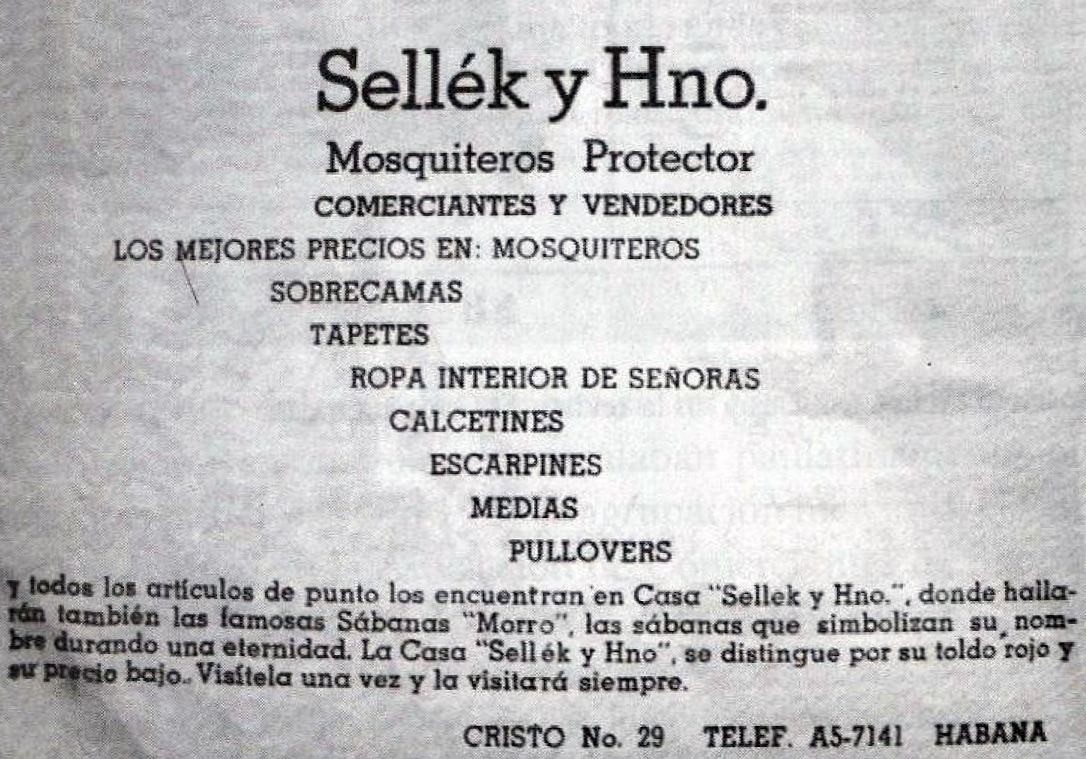
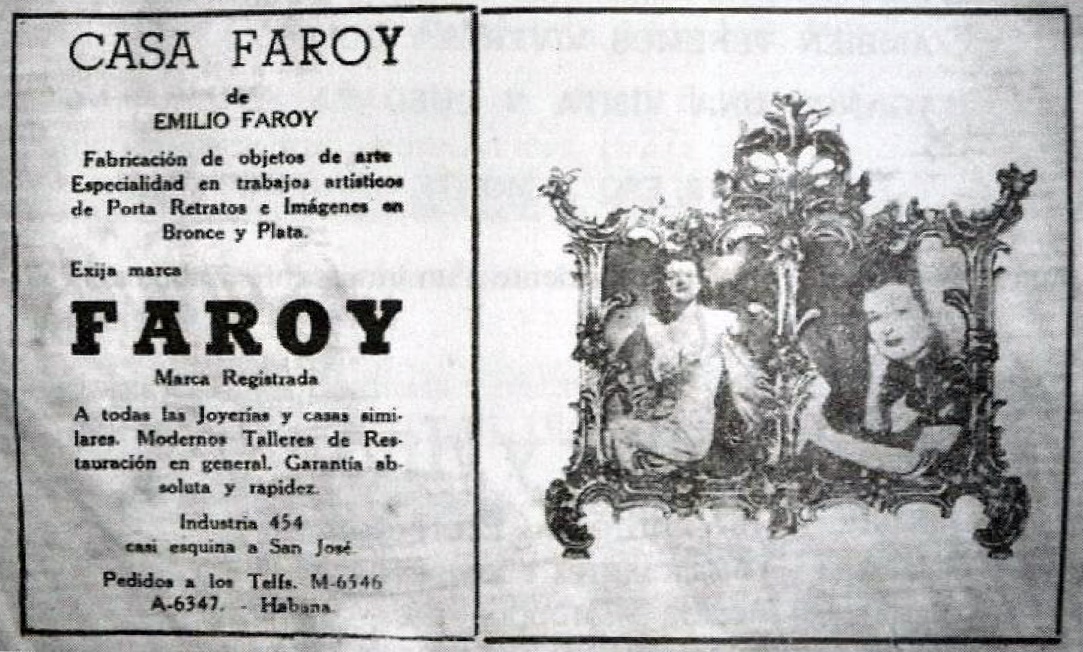
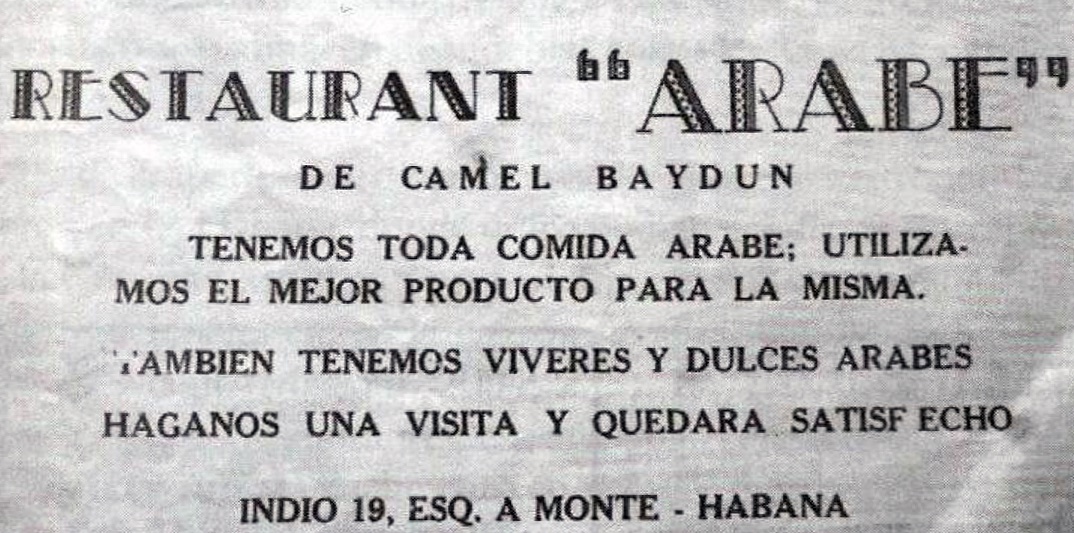
Advertisements for Arab businesses in local newspapers Anuncios de negocios árabes en periódicos localesإعلانات لمتاجر عربية في الصحف المحلية
By 1900, Arab businesses were listed in commercial guidebooks, indicating success and stable trades.
Hacia 1900, los negocios árabes figuraban en las guías comerciales, señal de éxito y de oficios estables.
بحلول عام 1900 كانت المتاجر العربية مدرجة في الأدلة التجارية، دلالةً على النجاح واستقرار المهن.
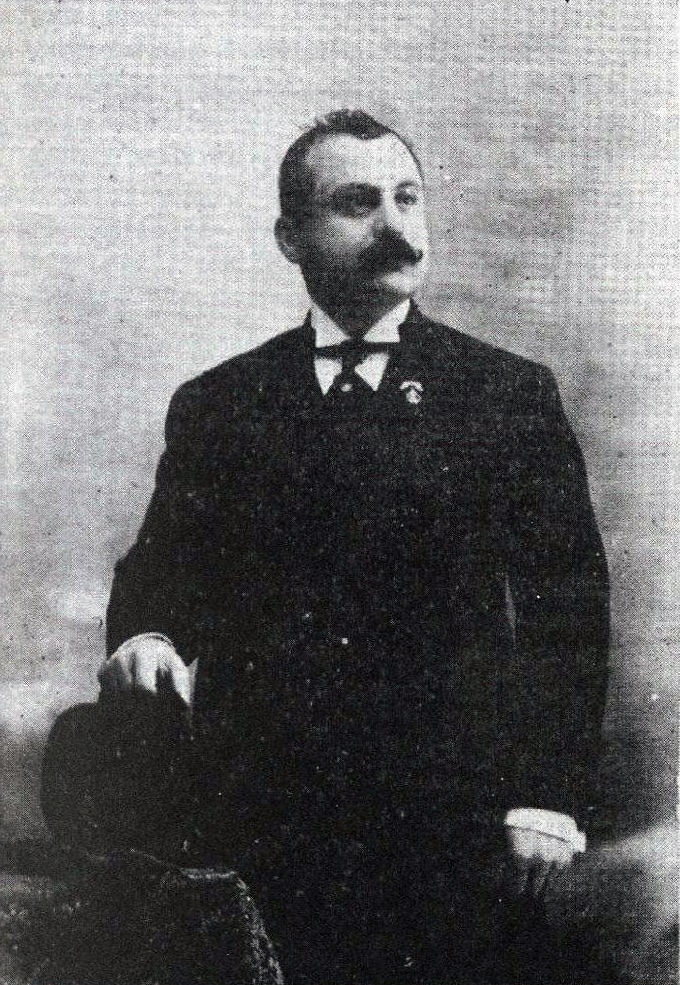
Gabriel M. Maluf was one of the most prosperous Arab-Cubans in the first two decades of the 20th century.
Gabriel M. Maluf fue uno de los árabe-cubanos más prósperos de las dos primeras décadas del siglo XX.
كان جبرائيل م. معلوف من أكثر العرب الكوبيين ازدهارًا في العقدين الأولين من القرن العشرين.
In a letter sent to his brother Botros in Lebanon he explains:
En una carta enviada a su hermano Botros en el Líbano, explica:
وفي رسالة إلى أخيه بطرس في لبنان يشرح قائلًا:
"I have people who help me; I have four people in the offices, four in the warehouses, four more traveling in the interior of the country and three at home, without forgetting those who deal with customs and the many intermediaries and those who take care of the factories"
«Tengo gente que me ayuda; tengo cuatro personas en las oficinas, cuatro en los almacenes, cuatro más viajando por el interior del país y tres en casa, sin olvidar a quienes se ocupan de las aduanas, a los muchos intermediarios y a quienes atienden las fábricas.»
«عندي من يساعدني؛ أربعة في المكاتب، وأربعة في المستودعات، وأربعة يجوبون داخل البلاد، وثلاثة في البيت، فضلًا عمّن يتولون شؤون الجمارك، والوسطاء الكثر، ومن يعتنون بالمصانع.»
—Gabriel M. Maluf, 1912
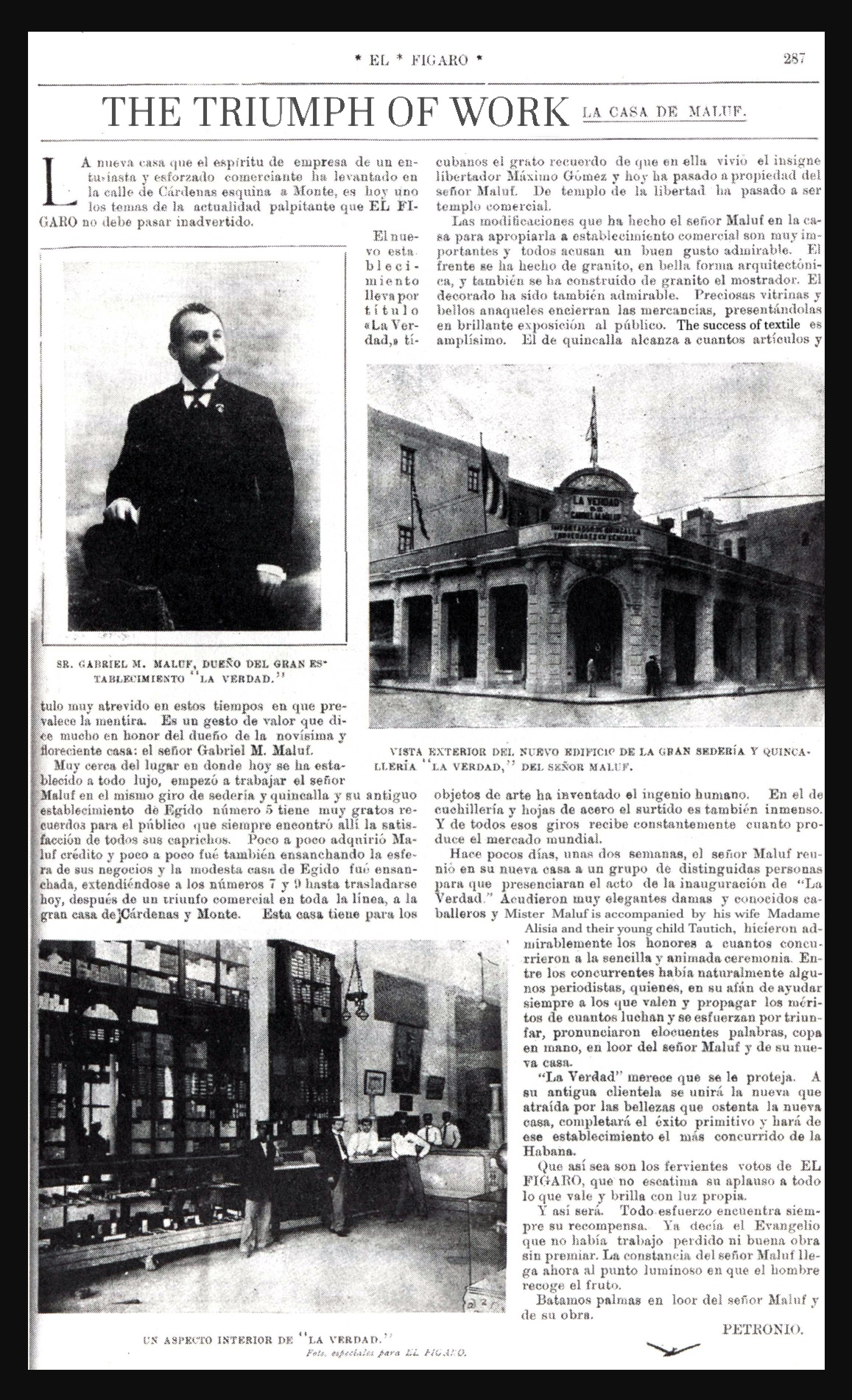
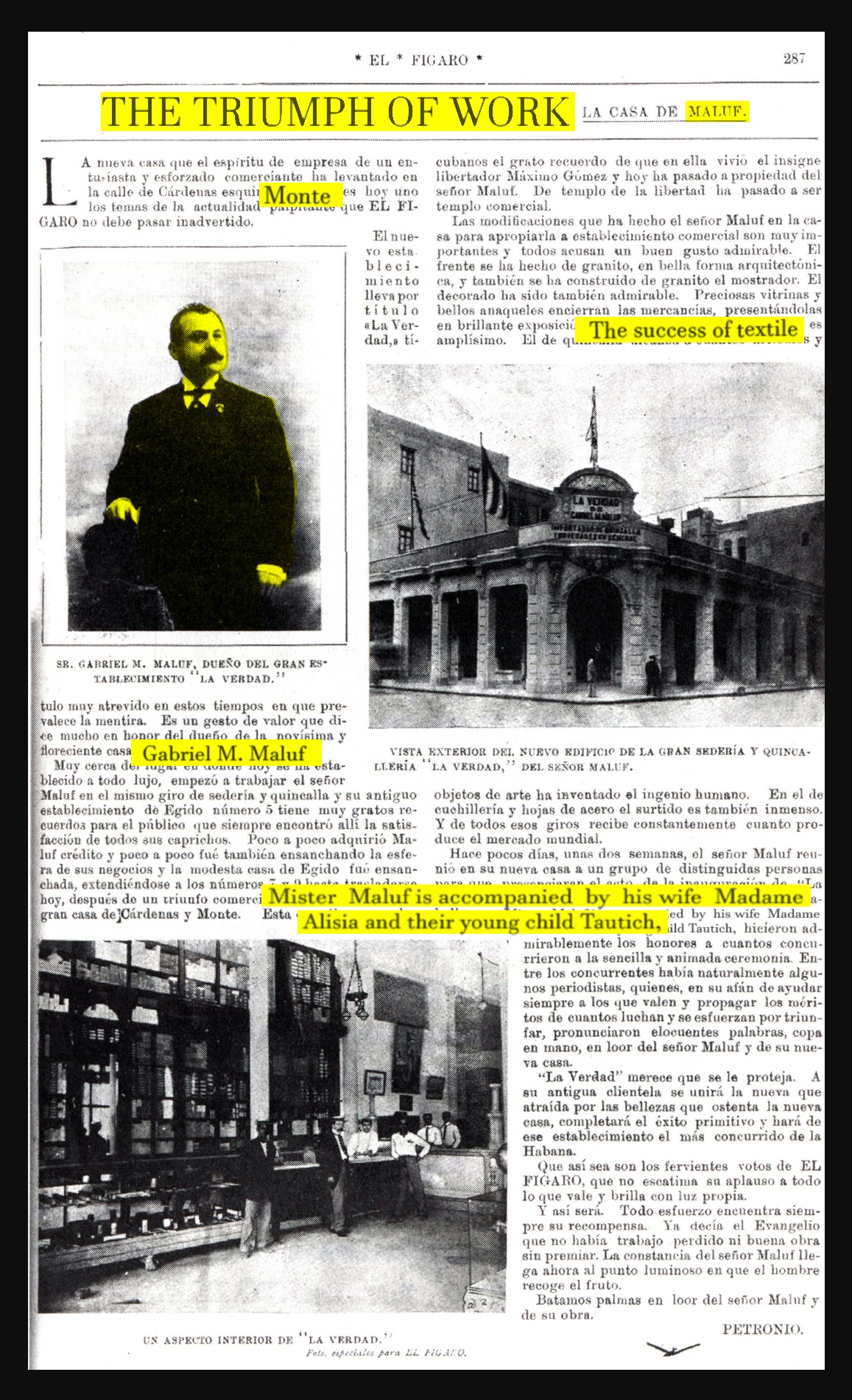
The prosperity of Maluf increased during the early 20th century.
La prosperidad de Maluf aumentó a principios del siglo XX.
ازداد ازدهار معلوف في مطلع القرن العشرين.
His success is documented in a profile published by El Figaro in 1912, a popular newspaper in Cuba at the time.
Su éxito quedó documentado en un perfil publicado por El Fígaro en 1912, un periódico popular en la Cuba de la época.
نجاحه موثّق في بورتريه نشرته صحيفة «الفيغارو» (El Fígaro) عام 1912، وكانت صحيفة ذائعة في كوبا آنذاك.
Religious CompositionComposición religiosaالتركيبة الدينية
The Arabs that settled in Cuba practiced many faiths and confessions, mirroring the religious and communal diversity that existed in their homelands.
Los árabes que se asentaron en Cuba practicaban muchas fes y confesiones, reflejo de la diversidad religiosa y comunitaria que existía en sus tierras de origen.
مارس العرب الذين استقروا في كوبا عقائد وطوائف شتى، على صورة التنوع الديني والطائفي الذي كان قائمًا في أوطانهم.
Estimating the composition is difficult because of a lack of records. However, the Embassy of Lebanon conducted a census on Lebanese descendants in Cuba in 1951. Most of the Lebanese-Arabs practiced the Maronite Catholic faith (55%), while many adhered to other faiths including Orthodox Christian (16%), Sunni Muslim (8%), and Shia Muslim (8%).
Estimar esa composición es difícil por la falta de registros. Sin embargo, la Embajada del Líbano realizó en 1951 un censo de los descendientes libaneses en Cuba. La mayoría de los árabes libaneses practicaba la fe católica maronita (55 %), mientras que muchos se adherían a otras confesiones, incluidas la cristiana ortodoxa (16 %), la musulmana sunita (8 %) y la musulmana chiita (8 %).
يصعب تقدير هذه التركيبة لقلة السجلات. غير أن سفارة لبنان أجرت عام 1951 إحصاءً للمنحدرين من أصل لبناني في كوبا. كان معظم العرب اللبنانيين على المذهب الماروني الكاثوليكي (55%)، بينما اتبع كثيرون طوائف أخرى منها المسيحية الأرثوذكسية (16%) والإسلام السني (8%) والإسلام الشيعي (8%).
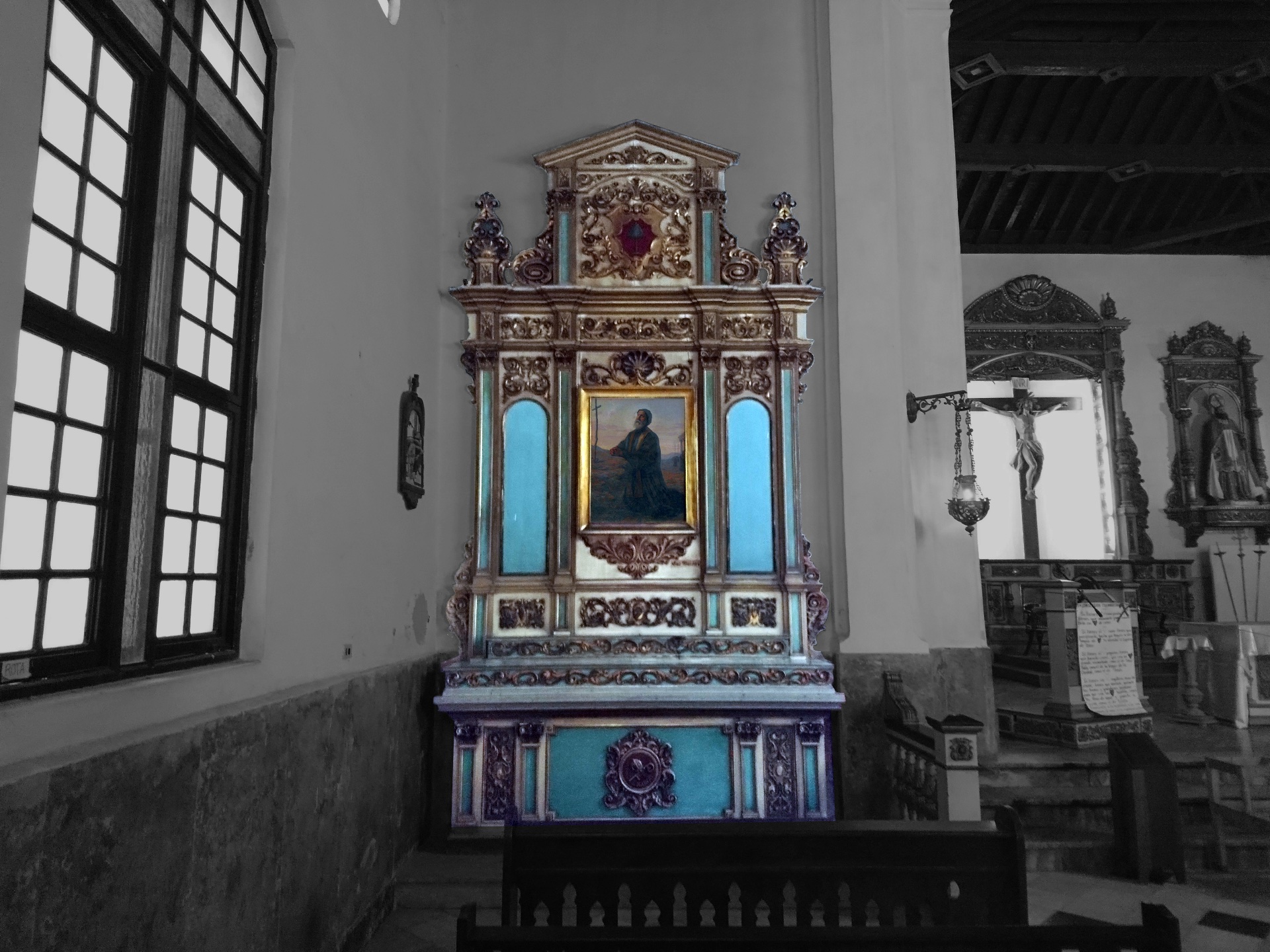
Arab communities established most of their businesses and institutions near their churches and congregations.
Las comunidades árabes establecieron la mayoría de sus negocios e instituciones cerca de sus iglesias y congregaciones.
أنشأت الجاليات العربية معظم متاجرها ومؤسساتها قرب كنائسها وطوائفها.
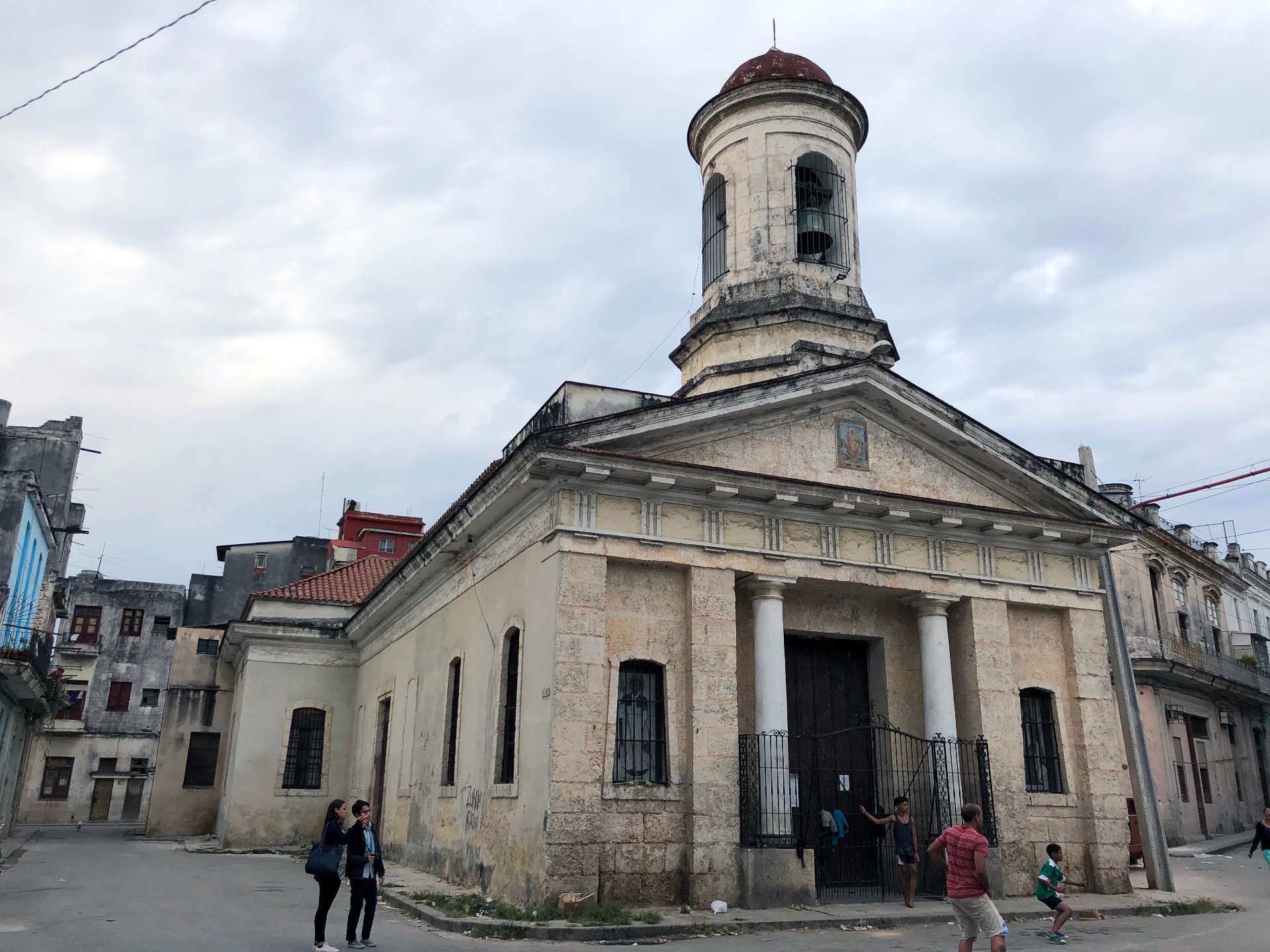
The Church of San Judas y San Nicolás near Calle Monte was a base for the Arab Maronite Catholic community in Havana during the early 20th century.
La iglesia de San Judas y San Nicolás, cerca de la Calle Monte, fue una base de la comunidad árabe católica maronita en La Habana a principios del siglo XX.
كانت كنيسة سان خوداس وسان نيكولاس قرب جادة مونتي قاعدةً للجالية العربية المارونية الكاثوليكية في هافانا في مطلع القرن العشرين.
Socio-FamilialSociofamiliarالبنية الأسرية والاجتماعية
Marriage was the basis of Arab family structure and it reflected the traditions and cultural traits of the Arabs in Cuba.
El matrimonio era la base de la estructura familiar árabe y reflejaba las tradiciones y los rasgos culturales de los árabes en Cuba.
كان الزواج أساس بنية الأسرة العربية، وعكس تقاليد العرب في كوبا وسماتهم الثقافية.
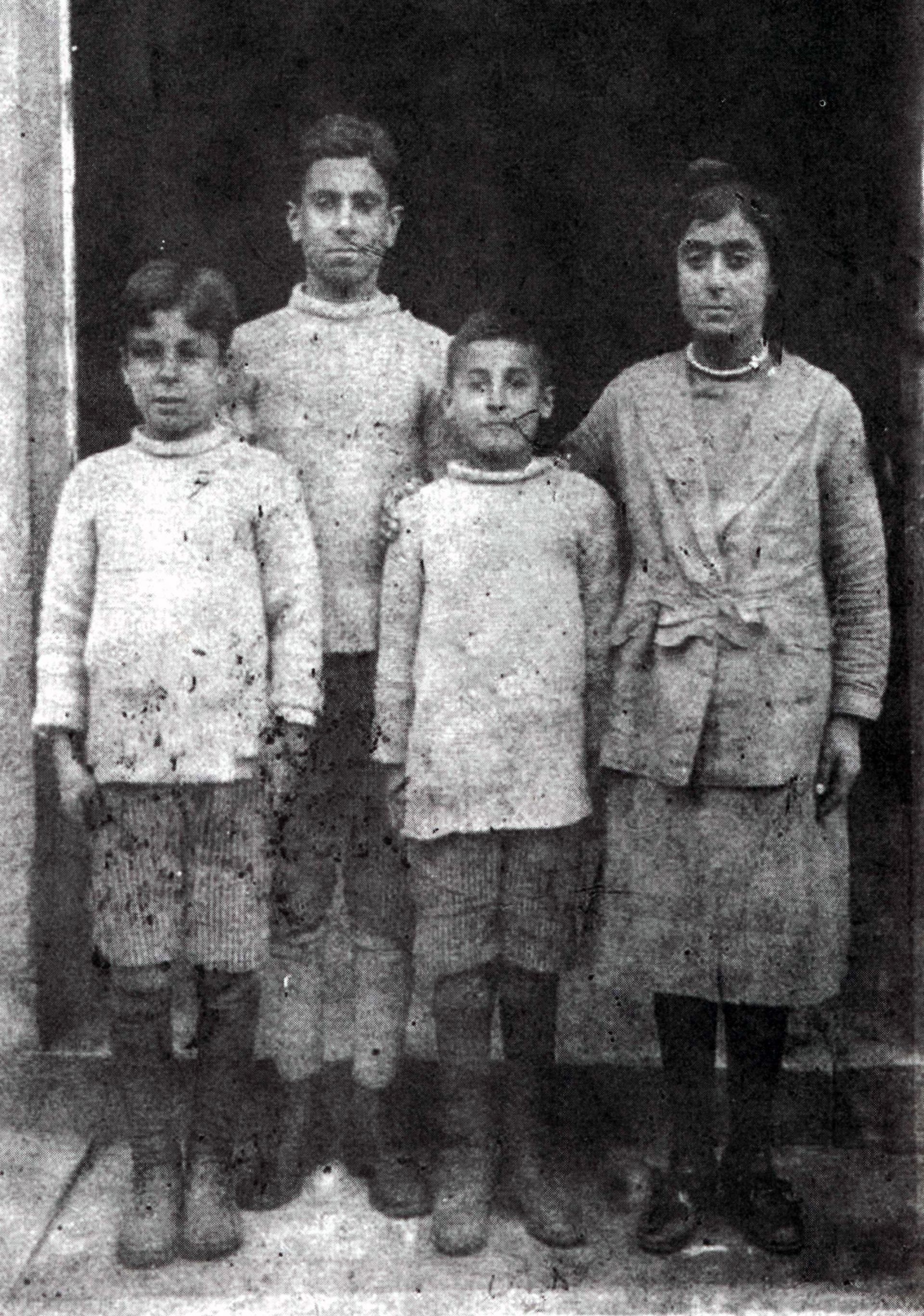
Parish archives denote a remarkable decline in endogamy and an increase in marriage between Arabs and Cubans after their initial immigration. From this development begins the assimilation process in which the descendants carry a new identity as Cuban.
Los archivos parroquiales muestran una notable disminución de la endogamia y un aumento de los matrimonios entre árabes y cubanos tras la inmigración inicial. De este desarrollo parte el proceso de asimilación en el que los descendientes asumen una nueva identidad como cubanos.
تدل سجلات الأبرشيات على تراجع لافت في الزواج الداخلي وازدياد الزيجات بين العرب والكوبيين بعد الهجرة الأولى. ومن هذا التطور يبدأ مسار الاندماج الذي يحمل فيه الأحفاد هوية جديدة بوصفهم كوبيين.
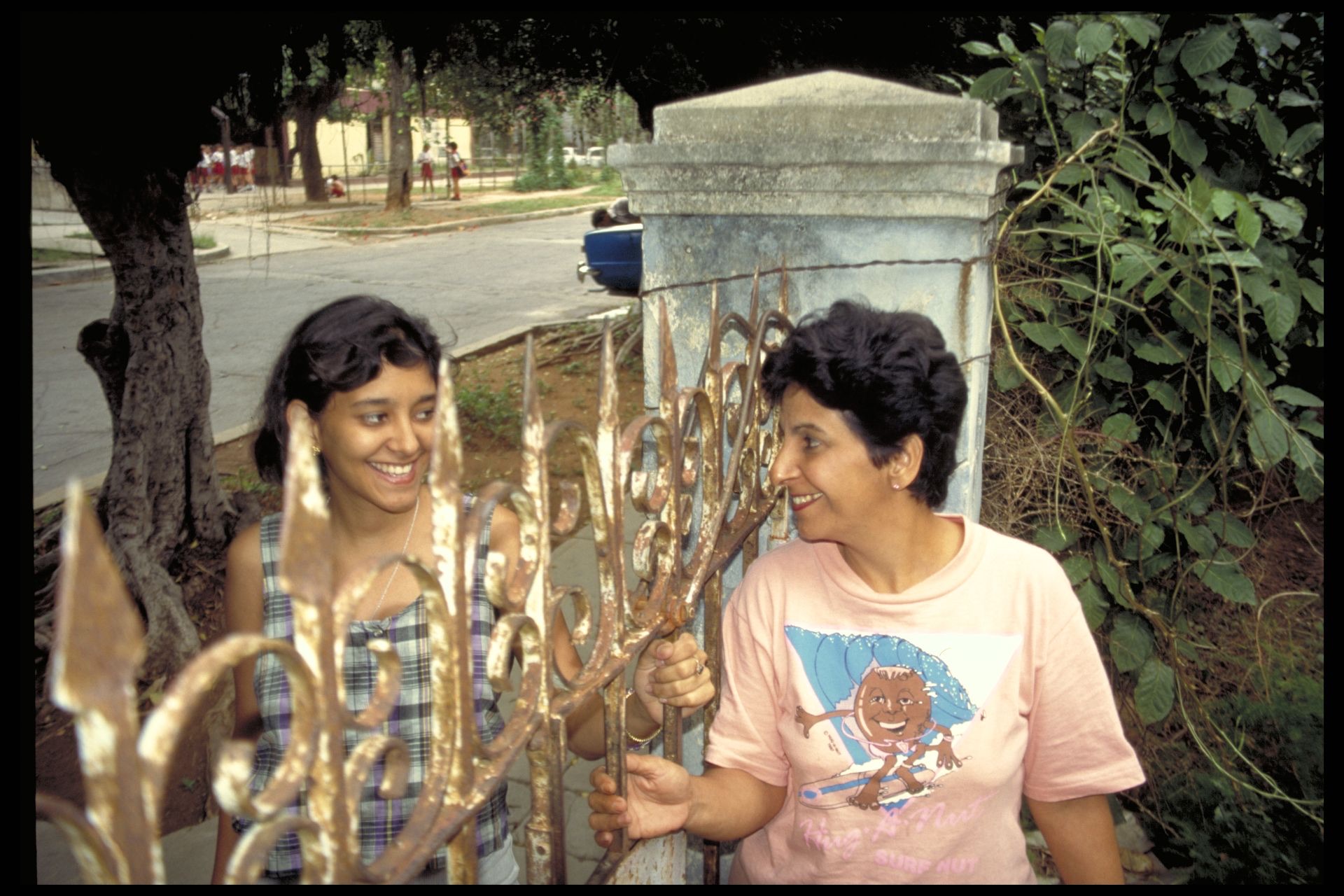
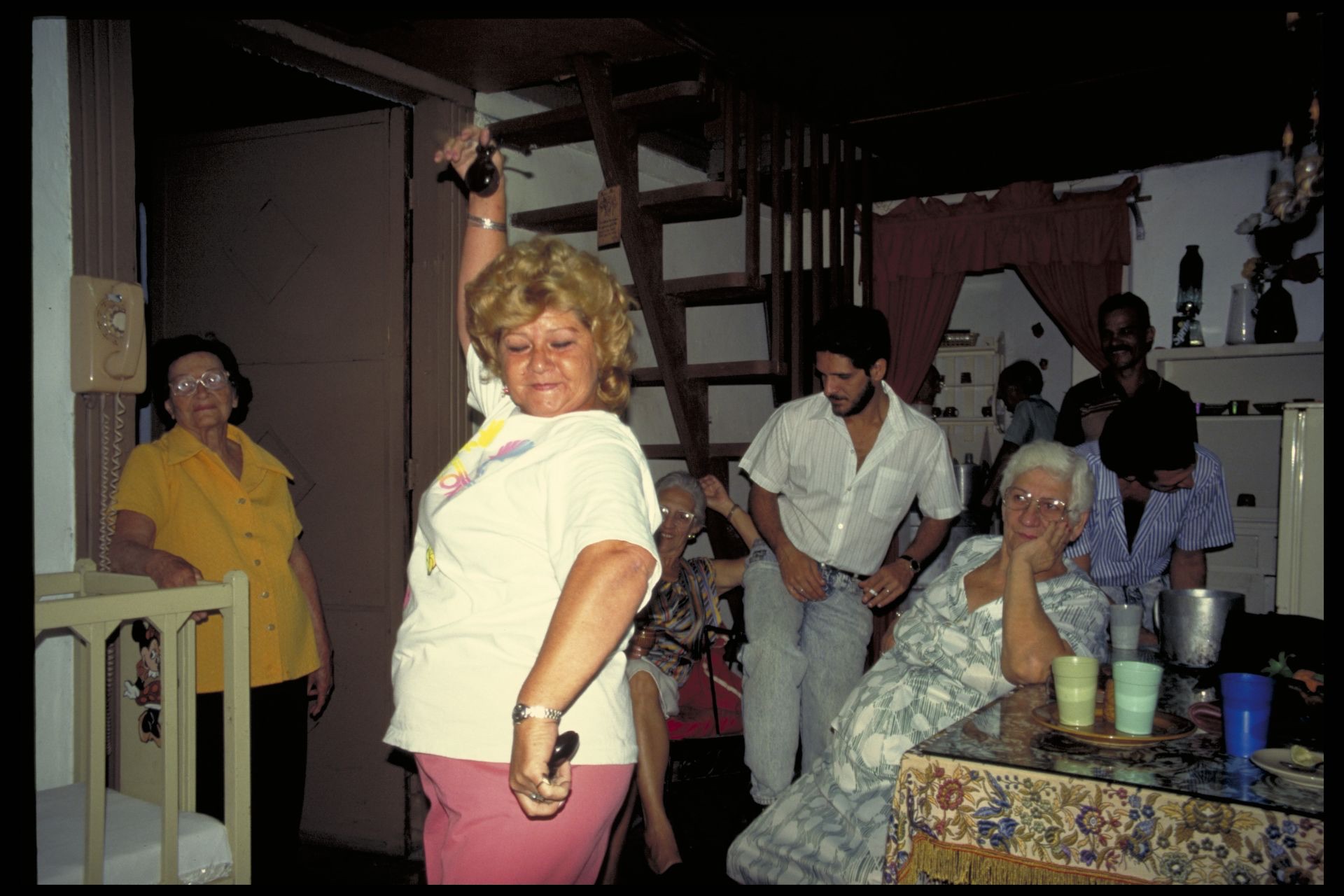
first: Salma de la Carida Chediak, and daughter Vivian at the gate of their house. second: An informal flamenco class at the Arab Union of Cuba. primero: Salma de la Carida Chediak y su hija Vivian a la puerta de su casa. segundo: Una clase informal de flamenco en la Unión Árabe de Cuba.الأولى: سلمى دي لا كاريدا شدياق وابنتها فيفيان على باب منزلهما. الثانية: صفّ فلامنكو غير رسمي في الاتحاد العربي في كوبا.
Chapter FourCapítulo cuatroالفصل الرابع
From Collective Identity to AssimilationDe la identidad colectiva a la asimilaciónمن الهوية الجماعية إلى الاندماج
Arab organizations and associations began appearing in the early 1900’s and existed in nearly every urban area in Cuba. Many were aligned with the state borders instituted by colonial entities after the collapse of the Ottoman Empire, such as the Syrian-Lebanese-Palestinian Club of Havana or the Lebanese Society.
Las organizaciones y asociaciones árabes comenzaron a aparecer a principios del siglo XX y existieron en casi todas las zonas urbanas de Cuba. Muchas se alineaban con las fronteras estatales instituidas por las entidades coloniales tras el colapso del Imperio otomano, como el Club Sirio-Libanés-Palestino de La Habana o la Sociedad Libanesa.
بدأت المنظمات والجمعيات العربية بالظهور في مطلع القرن العشرين ووُجدت في كل منطقة حضرية تقريبًا في كوبا. وتماشى كثير منها مع حدود الدول التي أرستها الكيانات الاستعمارية بعد انهيار الدولة العثمانية، مثل النادي السوري اللبناني الفلسطيني في هافانا أو الجمعية اللبنانية.
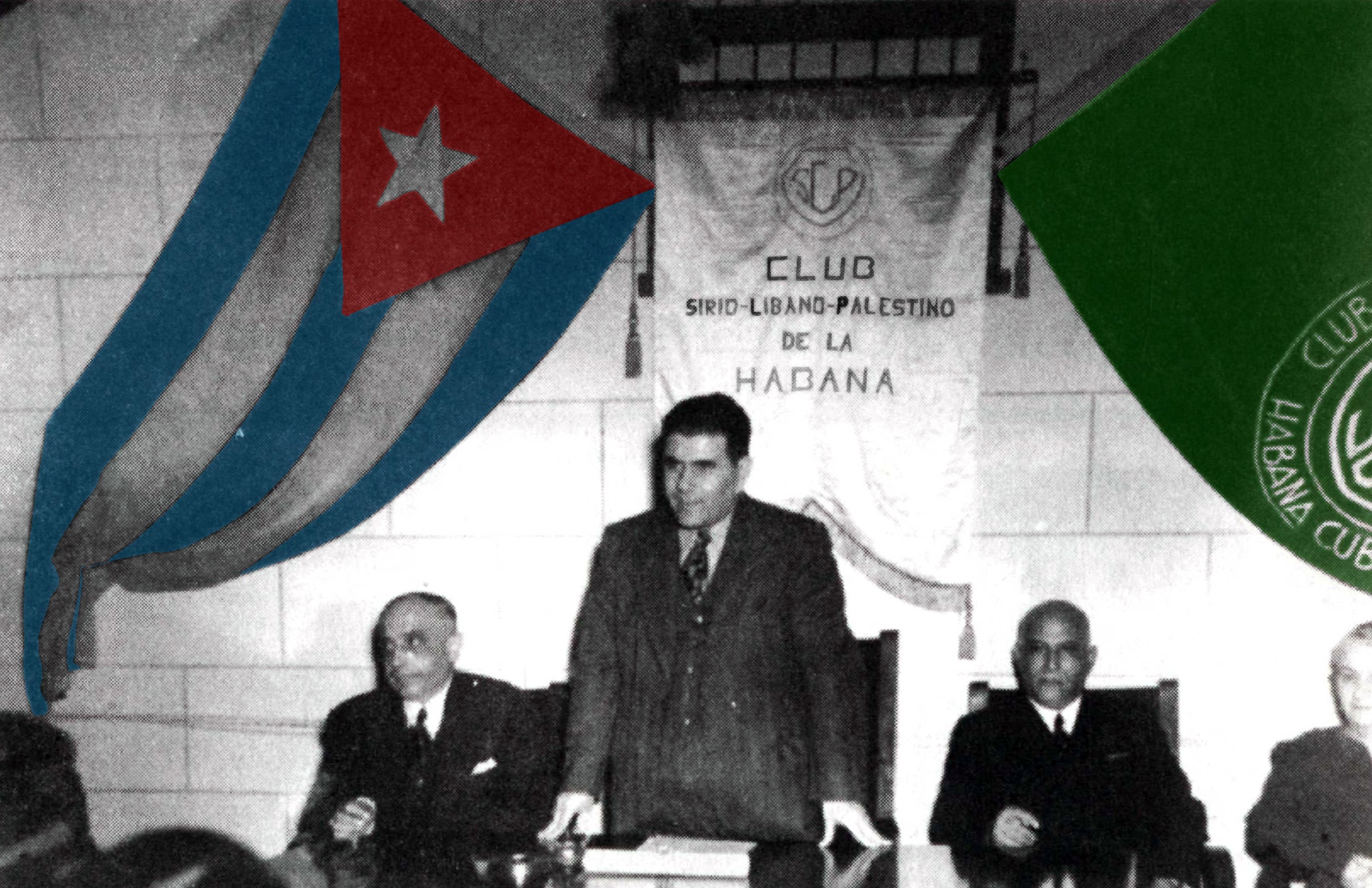
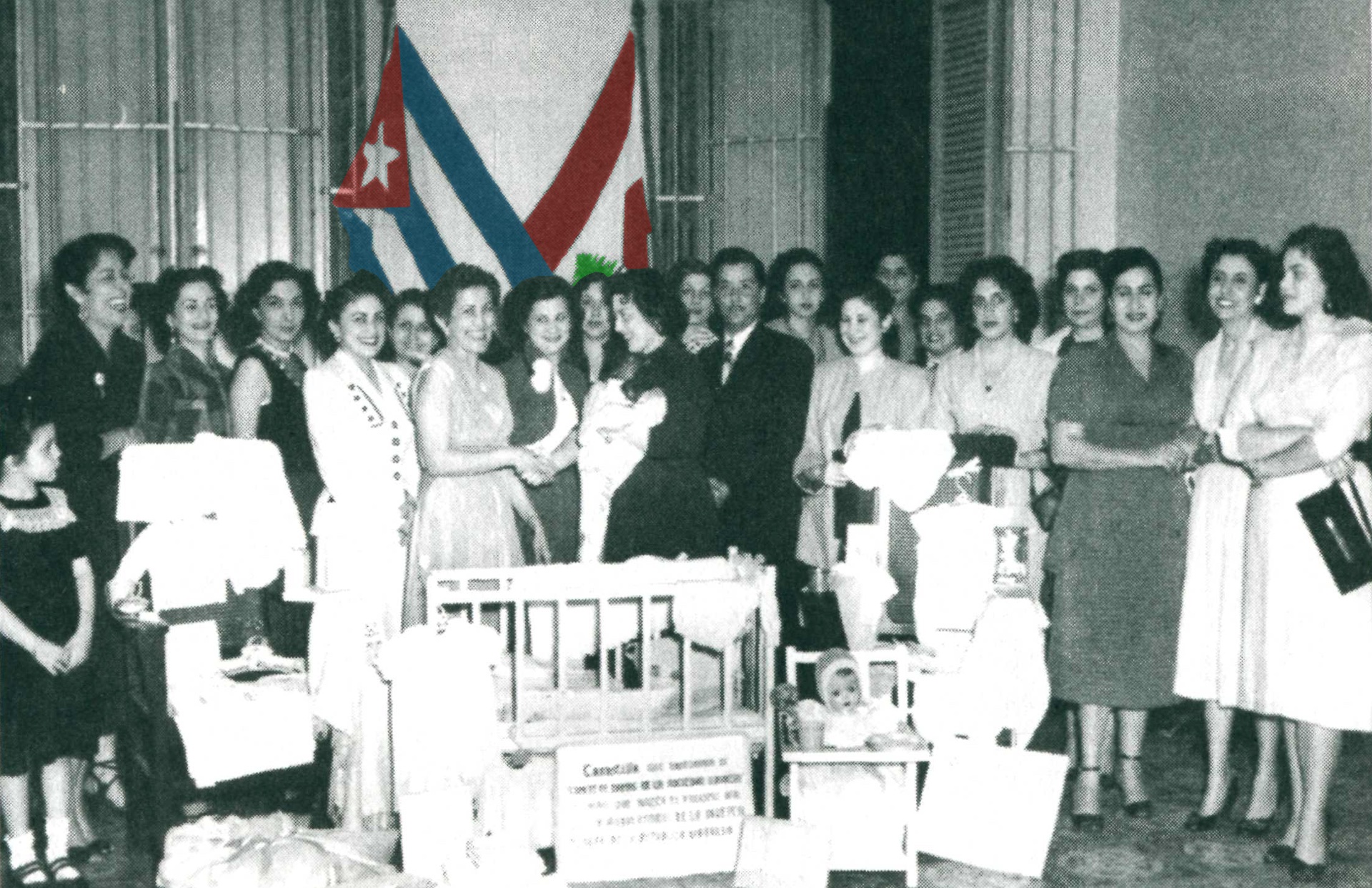
first: Syrian-Lebanese-Palestinian Club of Havana (1940). second: The Lebanese Society celebrating the tenth year of Lebanese independence (1953). primero: Club Sirio-Libanés-Palestino de La Habana (1940). segundo: La Sociedad Libanesa celebrando el décimo aniversario de la independencia del Líbano (1953).الأولى: النادي السوري اللبناني الفلسطيني في هافانا (1940). الثانية: الجمعية اللبنانية تحتفل بالذكرى العاشرة لاستقلال لبنان (1953).
Arabic and Arab-centered newspapers existed on the Island until the 1970s, such as El Cercano Oriente (The Near East), El Árbol del Líbano (The Tree of Lebanon), Al-Etehad (The Union), Al-Faihaa (The Spacious), Al-Sayf (The Saber), and La Unión (The Union).
En la isla existieron periódicos árabes y de temática árabe hasta la década de 1970, como El Cercano Oriente, El Árbol del Líbano, Al-Etehad (La Unión), Al-Faihaa (La Espaciosa), Al-Sayf (El Sable) y La Unión.
صدرت في الجزيرة صحفٌ عربية وذات اهتمام عربي حتى سبعينيات القرن العشرين، مثل «الشرق الأدنى» (El Cercano Oriente)، و«شجرة لبنان» (El Árbol del Líbano)، والاتحاد، والفيحاء، والسيف، و«لا أونيون» (La Unión).
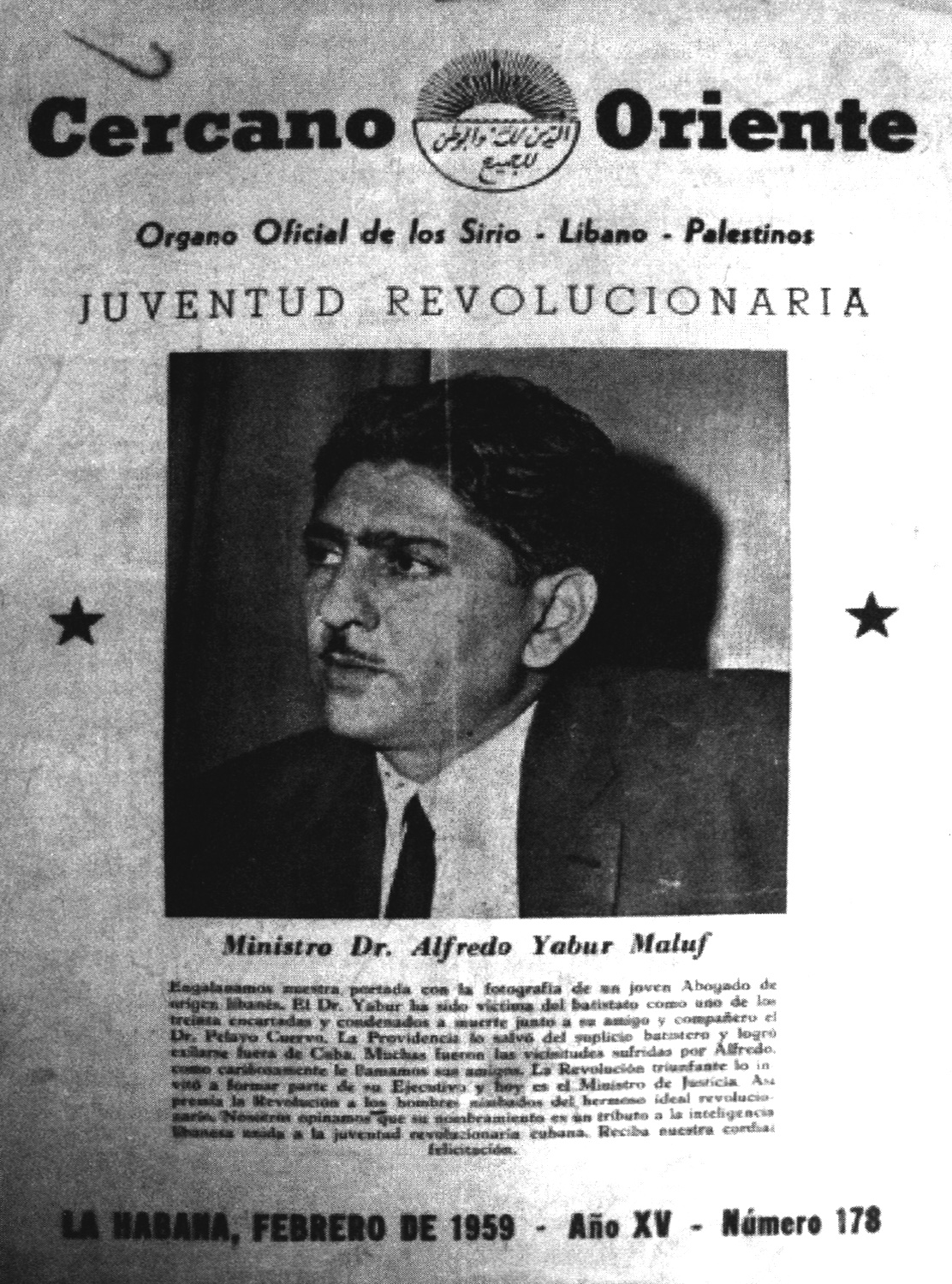
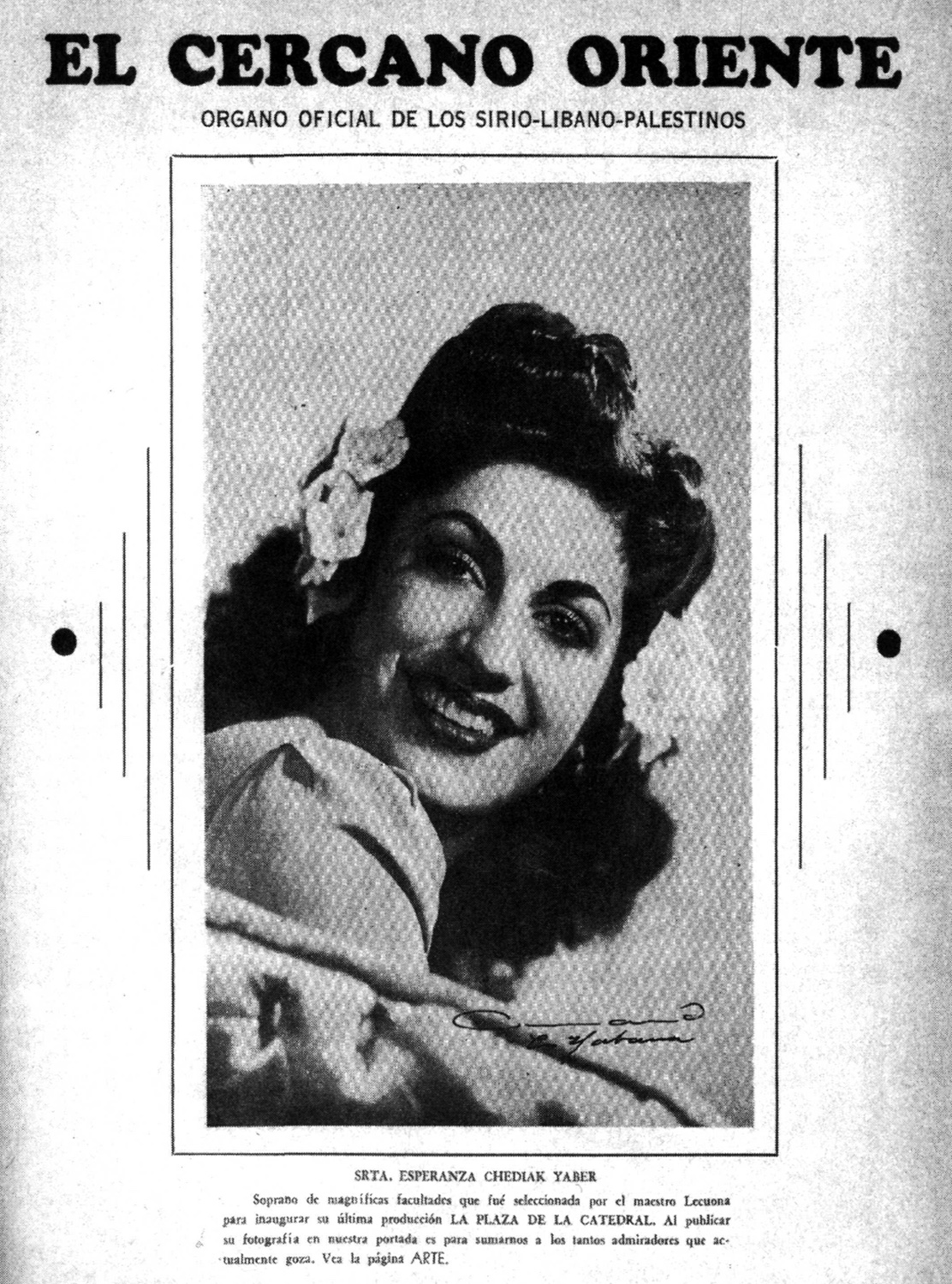
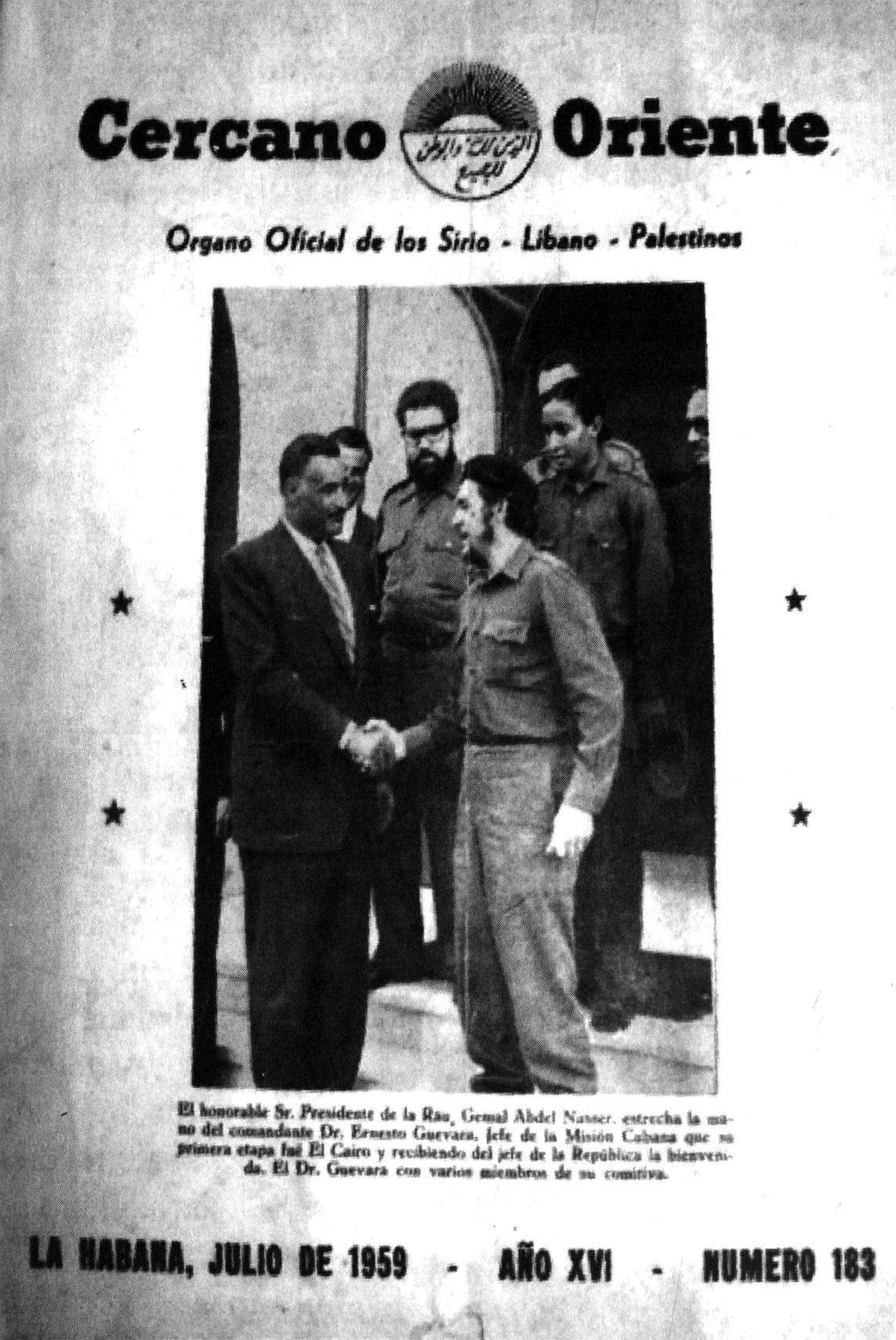
Front pages of El Cercano Oriente Portadas de El Cercano Orienteصفحات أولى من صحيفة «الشرق الأدنى»
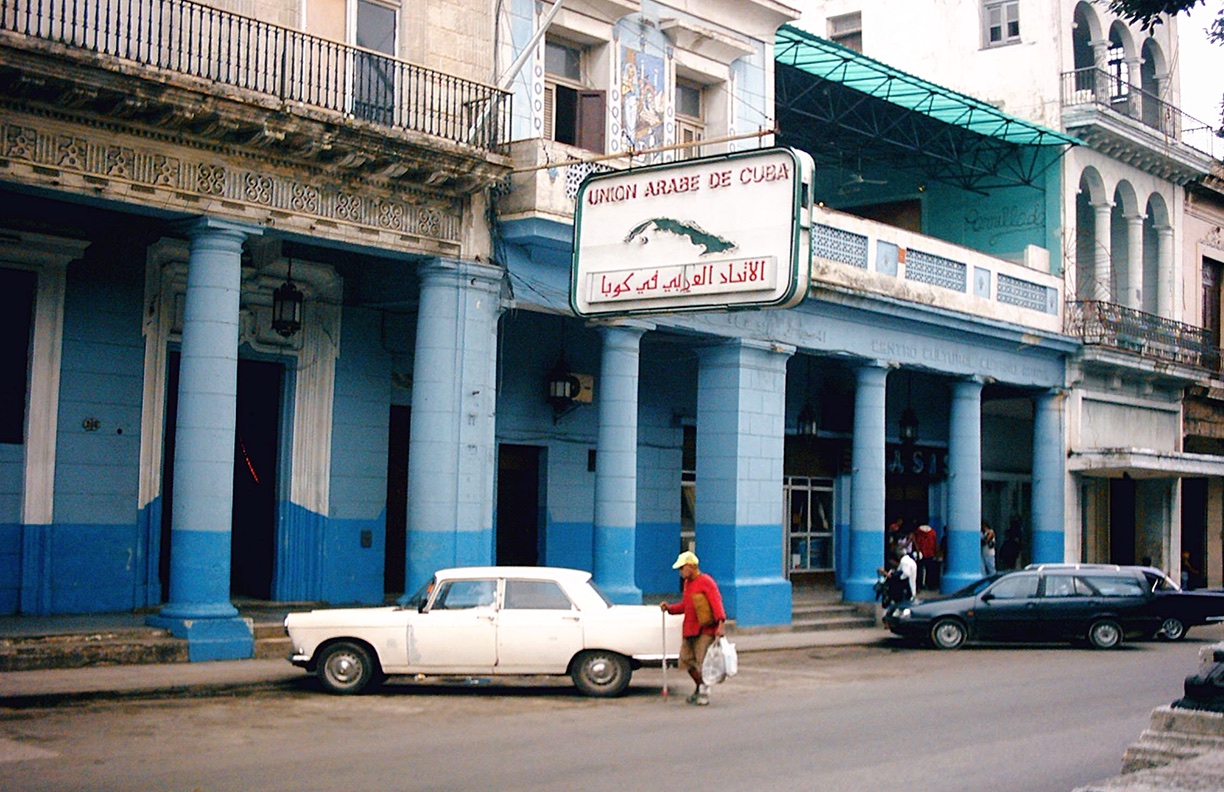
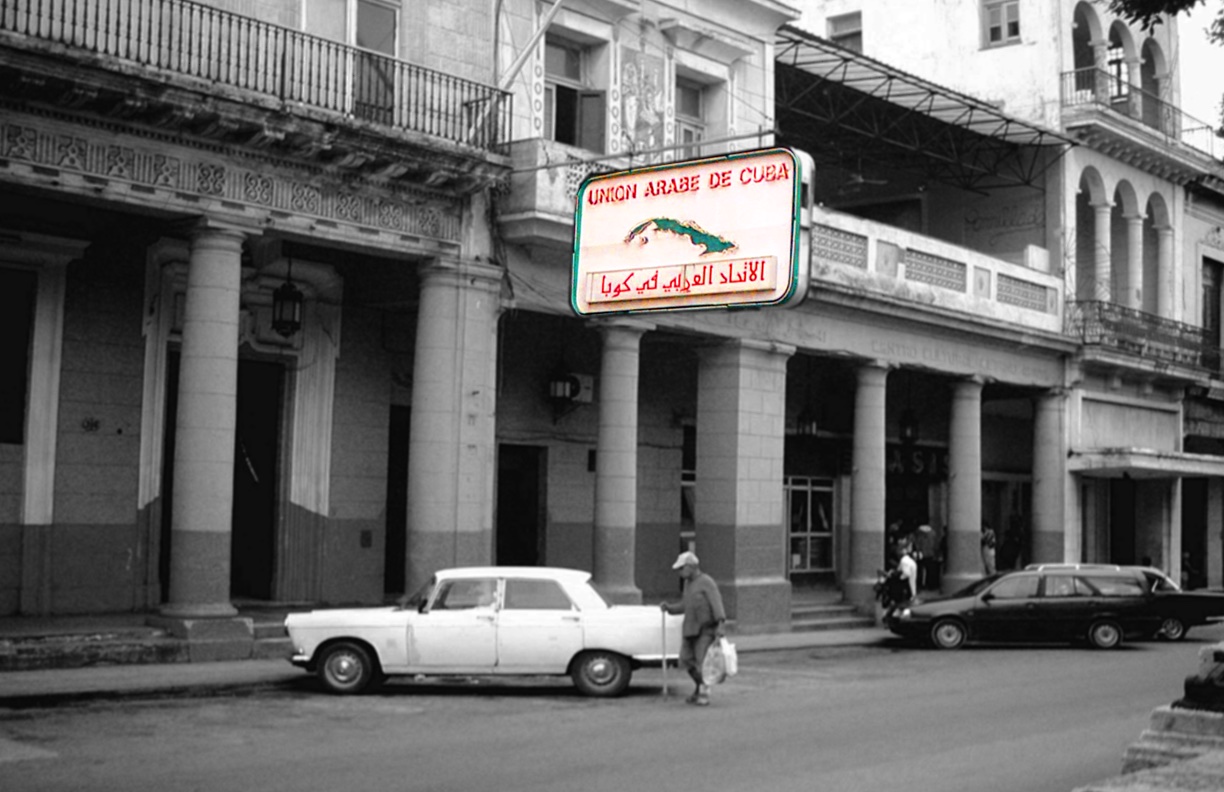
Unión Árabe de Cuba, Havana Unión Árabe de Cuba, La Habanaالاتحاد العربي في كوبا، هافانا
In 1979, the different associations representing Arabs in Cuba came together to form the Arab Union of Cuba.
En 1979, las distintas asociaciones que representaban a los árabes en Cuba se unieron para formar la Unión Árabe de Cuba.
في عام 1979 اتحدت الجمعيات المختلفة الممثلة للعرب في كوبا لتؤسس الاتحاد العربي في كوبا.
The Arab Union of Cuba is the most notable and established Arab association in Cuba and it still operates today, providing services and programs aimed at increasing Arab-Cuban cultural, social, and political awareness and solidarity.
La Unión Árabe de Cuba es la asociación árabe más notable y consolidada de Cuba y sigue funcionando hoy, ofreciendo servicios y programas dirigidos a aumentar la conciencia y la solidaridad cultural, social y política árabe-cubana.
الاتحاد العربي في كوبا هو أبرز الجمعيات العربية وأرسخها في كوبا، وما زال يعمل حتى اليوم مقدّمًا خدمات وبرامج تهدف إلى تعزيز الوعي والتضامن الثقافي والاجتماعي والسياسي العربي الكوبي.
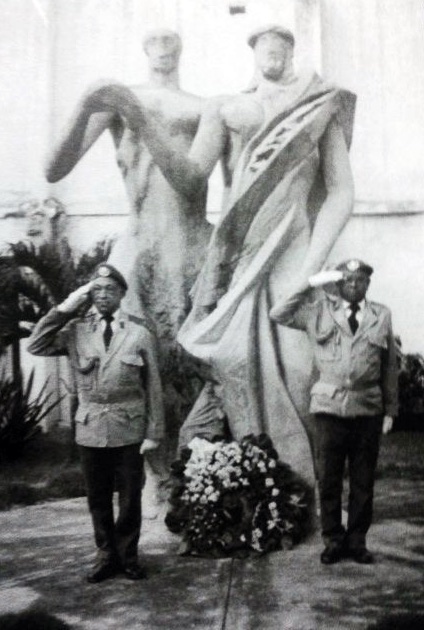
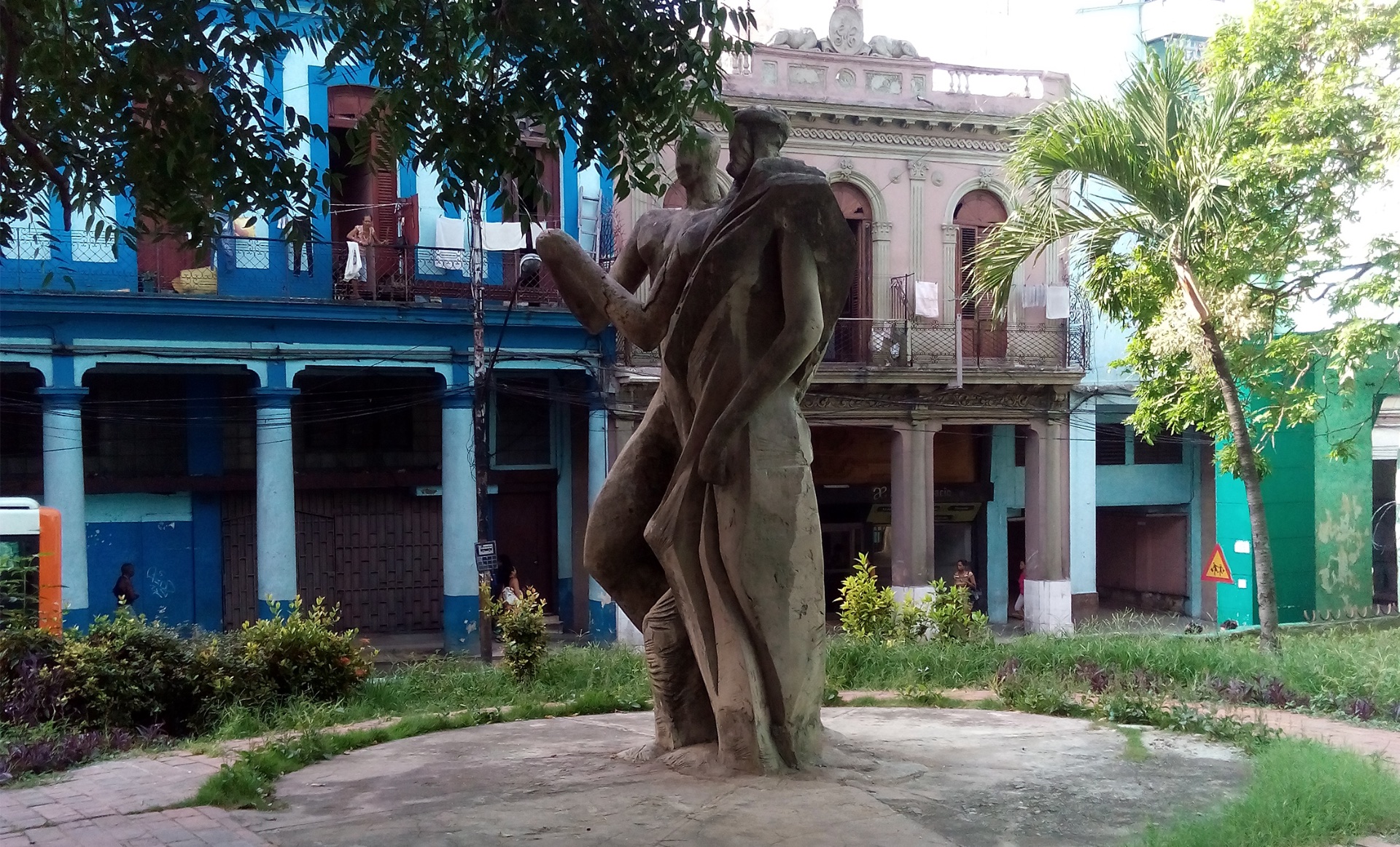
Among the Arab Union of Cuba's work is the development of the Memorial to Arab Immigrants in the Park of the Arab Immigrant.
Entre las obras de la Unión Árabe de Cuba está el desarrollo del Memorial a los Inmigrantes Árabes en el Parque del Inmigrante Árabe.
من أعمال الاتحاد العربي في كوبا إنشاء النصب التذكاري للمهاجرين العرب في حديقة المهاجر العربي.
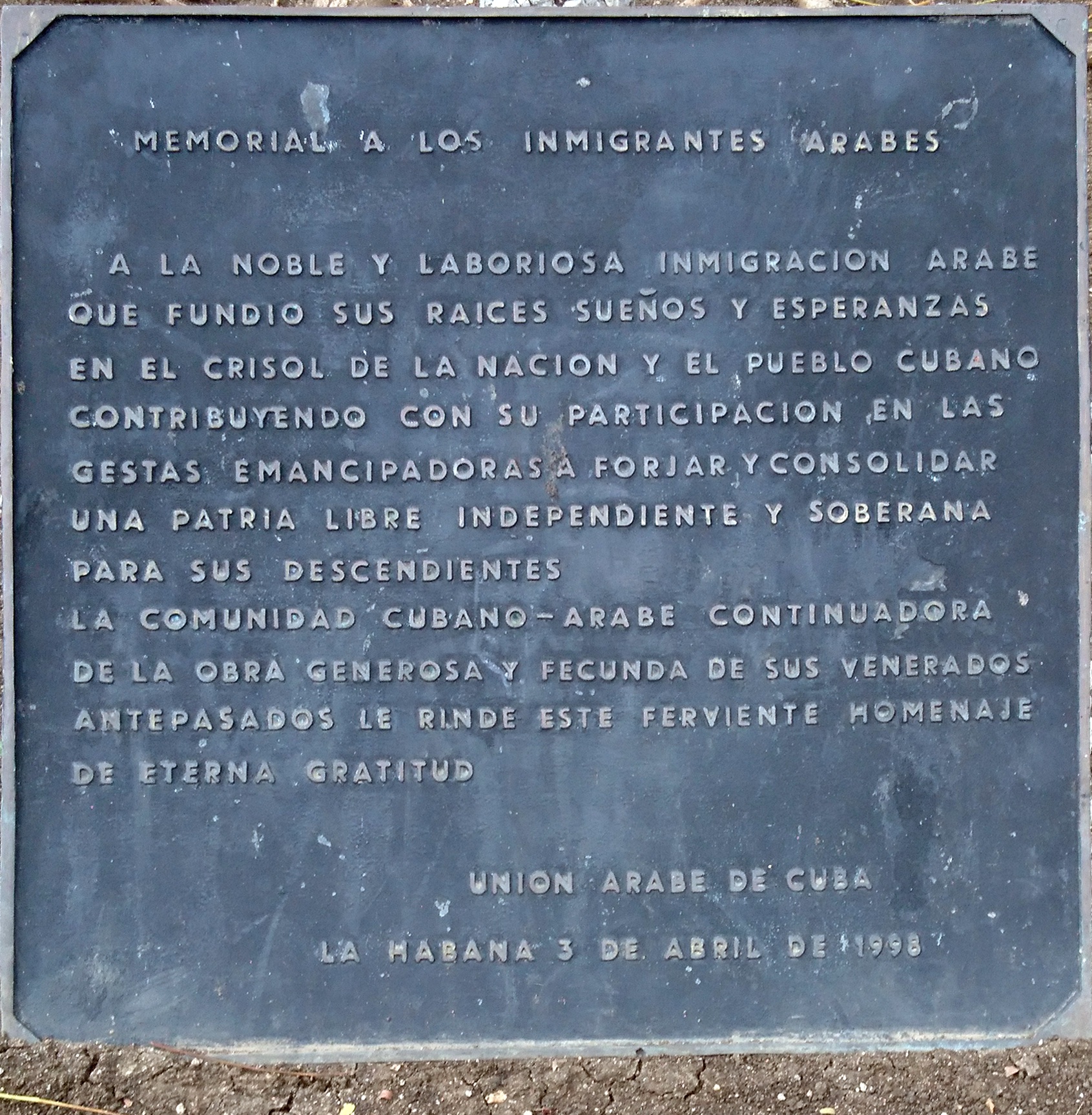
The sign reads:
La placa dice:
نص اللوحة:
"Memorial to Arab Immigrants
To the noble and industrious Arab immigration that merged its roots, dreams and, hopes in the melting pot of the nation and the Cuban people, contributing with their participation in the emancipating deeds to forge and consolidate a free, independent and sovereign homeland for their descendants.
The Cuban-Arab community that continues the generous and fruitful work of their venerated ancestors renders this fervent moment of eternal gratitude."
«Memorial a los Inmigrantes Árabes
«النصب التذكاري للمهاجرين العرب
A la noble y laboriosa inmigración árabe que fundió sus raíces, sueños y esperanzas en el crisol de la nación y el pueblo cubano, contribuyendo con su participación en las gestas emancipadoras a forjar y consolidar una patria libre, independiente y soberana para sus descendientes.
إلى الهجرة العربية النبيلة الكادحة التي صهرت جذورها وأحلامها وآمالها في بوتقة الأمة والشعب الكوبي، مسهمةً بمشاركتها في الملاحم التحررية في صوغ وترسيخ وطنٍ حر مستقل ذي سيادة لأحفادها.
La comunidad cubano-árabe, continuadora de la obra generosa y fecunda de sus venerados antepasados, le rinde este ferviente homenaje de eterna gratitud.»
الجالية الكوبية العربية، مواصِلةً العمل السخي المثمر لأسلافها الأجلاء، تقدّم لهم هذا التكريم الحار عربون امتنان أبدي.»
—Arab Union of Cuba · Havana. April 3, 1998 —Unión Árabe de Cuba · La Habana, 3 de abril de 1998—الاتحاد العربي في كوبا · هافانا، 3 أبريل 1998

CreditsCréditosشكر وتقدير
The primary source of research for this visualization, including archival images, is from Los Árabes en Cuba by Rigoberto Menéndez Paredes.
La fuente principal de investigación de esta visualización, incluidas las imágenes de archivo, es Los Árabes en Cuba, de Rigoberto Menéndez Paredes.
المصدر الأساسي للبحث في هذا التصوّر البصري، بما فيه الصور الأرشيفية، هو كتاب «العرب في كوبا» (Los Árabes en Cuba) لريغوبرتو منينديز باريديس.
Rigoberto Menéndez Paredes is the leading scholar on Arab-Cuban studies. He has been the director of the Casa de Los Árabes in Havana since 1989, a museum part of the Office of the Historian of Havana. He has written extensively on the Arab influence in Cuba, most notably on cultural influences.
Rigoberto Menéndez Paredes es el principal estudioso de los estudios árabe-cubanos. Es director de la Casa de los Árabes de La Habana desde 1989, museo que forma parte de la Oficina del Historiador de La Habana. Ha escrito extensamente sobre la influencia árabe en Cuba, especialmente sobre sus influencias culturales.
ريغوبرتو منينديز باريديس هو أبرز الباحثين في الدراسات العربية الكوبية، ويدير منذ عام 1989 «بيت العرب» (Casa de los Árabes) في هافانا، وهو متحف تابع لمكتب مؤرخ هافانا. كتب كثيرًا عن التأثير العربي في كوبا، ولا سيما التأثيرات الثقافية.
-
Visualization produced byVisualización producida porأنتج التصوّر البصريAllen Shaibani
-
Content of Los Árabes en Cuba interpreted byContenido de Los Árabes en Cuba interpretado porفسّر محتوى «العرب في كوبا»Allen Shaibani
-
Hasta la victoria Siempre CheAmly
-
The foreign element in New York: the Syrian colonyJohn Wilson Bengough
-
Church of San Judas Y San Nicolás de BariMatthew Walinchus
-
Salma de la Carida Chediak, and daughter Vivian at the gate of their houseBill Strubbe
-
An informal flamenco class at the Arab Union of CubaBill Strubbe
-
Unión Árabe de Cuba façadeUnión Árabe de Cuba
-
Memorial to the Arab Immigrants inaugurationUnión Árabe de Cuba
-
Memorial to the Arab ImmigrantsReynaldo Parra Acosta
-
Historical boundaries (c. 800, 1492, 1920s, 1945)Fronteras históricas (c. 800, 1492, años 1920, 1945)historical-basemaps · A. Ourednik
-
Coastlines and contemporary boundariesCostas y fronteras contemporáneasNatural Earth
Chapter ThreeCapítulo tresالفصل الثالث
Social Structure of the Arab Community in CubaEstructura social de la comunidad árabe en Cubaالبنية الاجتماعية للجالية العربية في كوبا